The last hundred metres
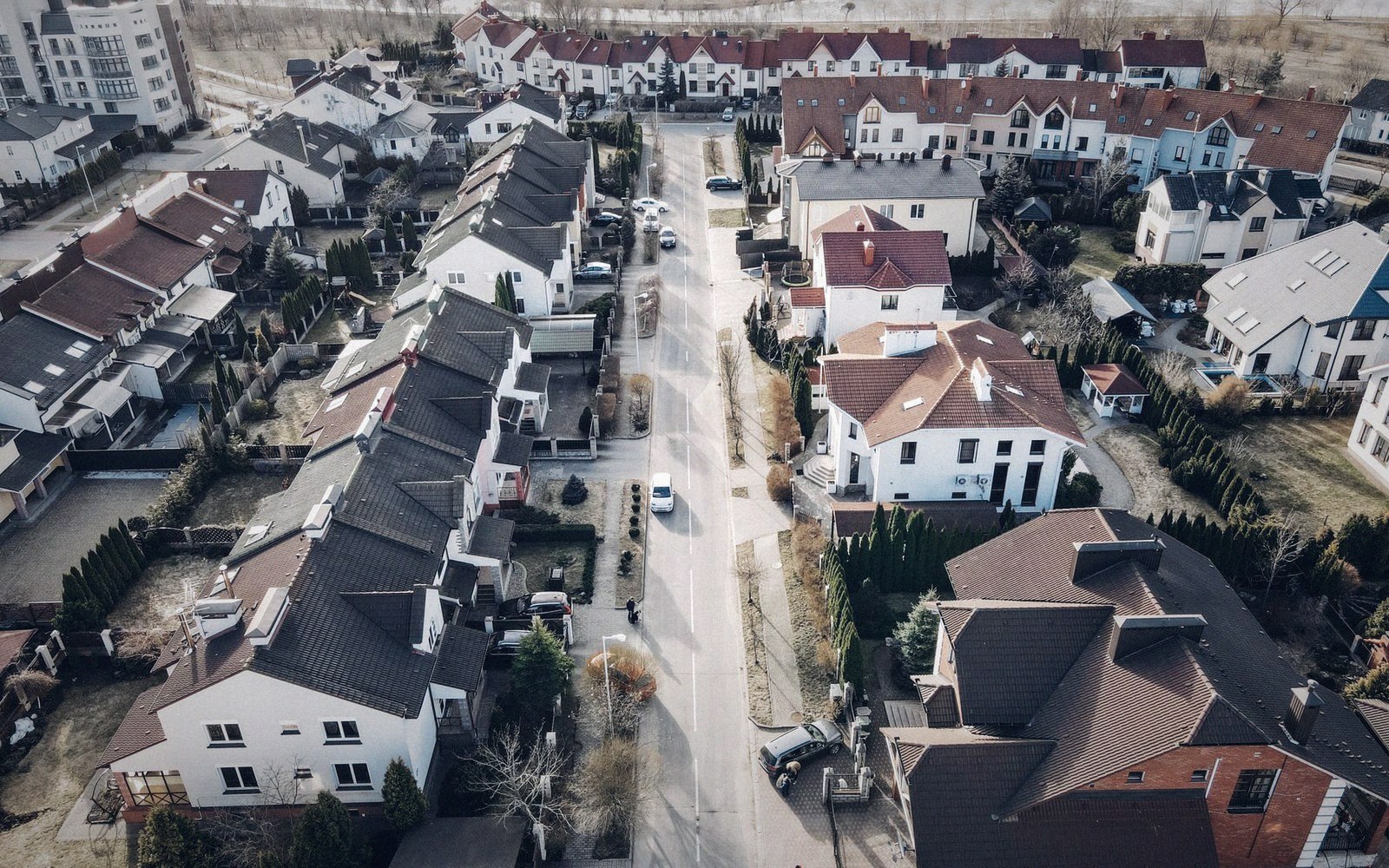
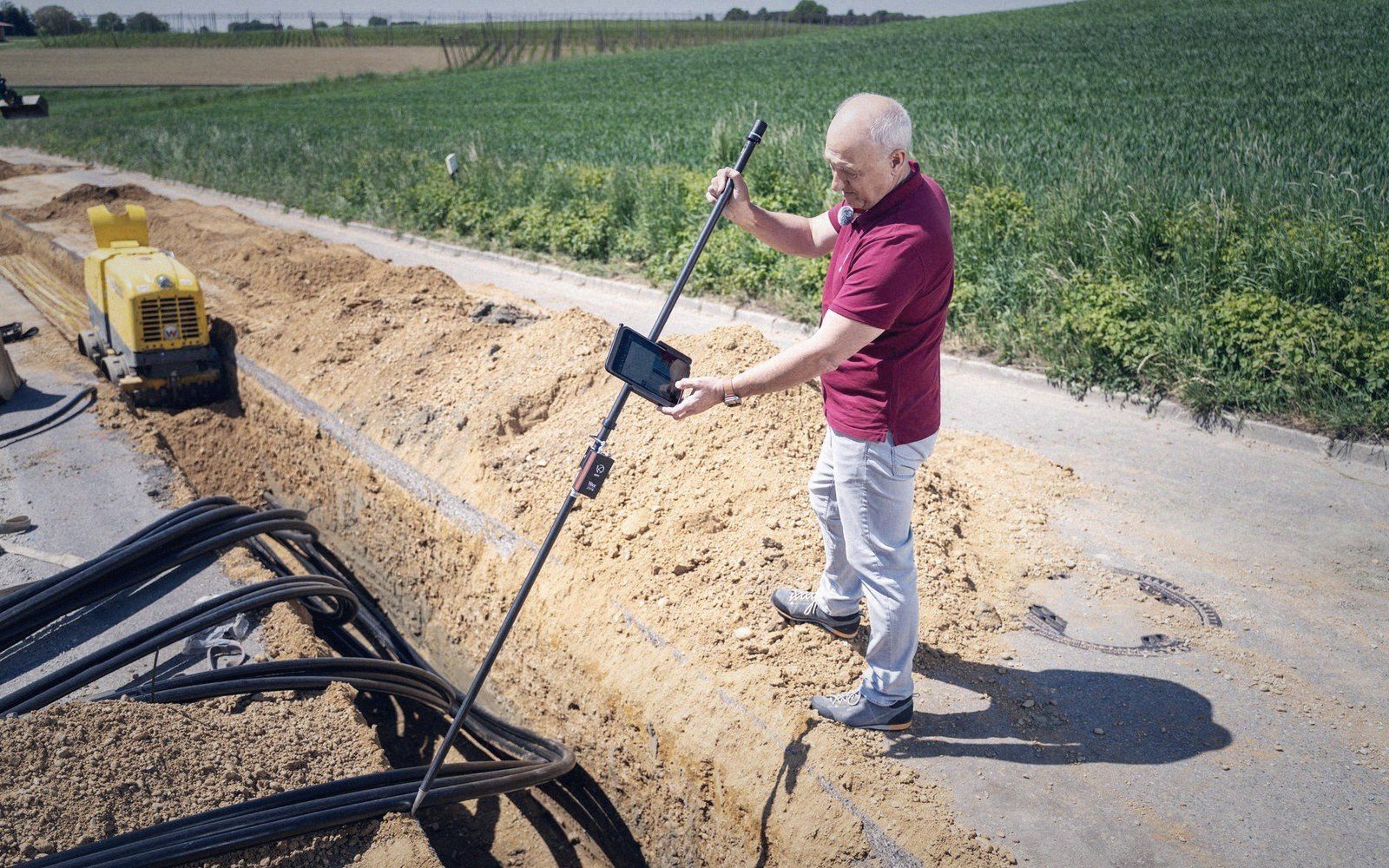
Backhaul is cheap per home and the final stretch is not: the cost of an access network is overwhelmingly the cost of getting down a street and across a boundary. Trenching, existing duct, poles and micro-trenching all trade capital cost against disruption, permission and how long the reinstatement lasts.
Read the pieceEvery entry says what a method costs, where it wins and where it fails. No technology is presented as the answer.
One section through one street, with every route in it
The complete register →Route
Trench, duct and pole — getting the cable down the street.
The Joint
Splicing, enclosures and the losses you cannot see.
The Split
Passive splitting and what the architecture costs.
Beyond Fibre
Wireless, coax, copper and satellite.
The Drop
The last few metres into the building.
Indoors
Where the gigabit usually goes missing.
Where the argument is this week
All 23 guides →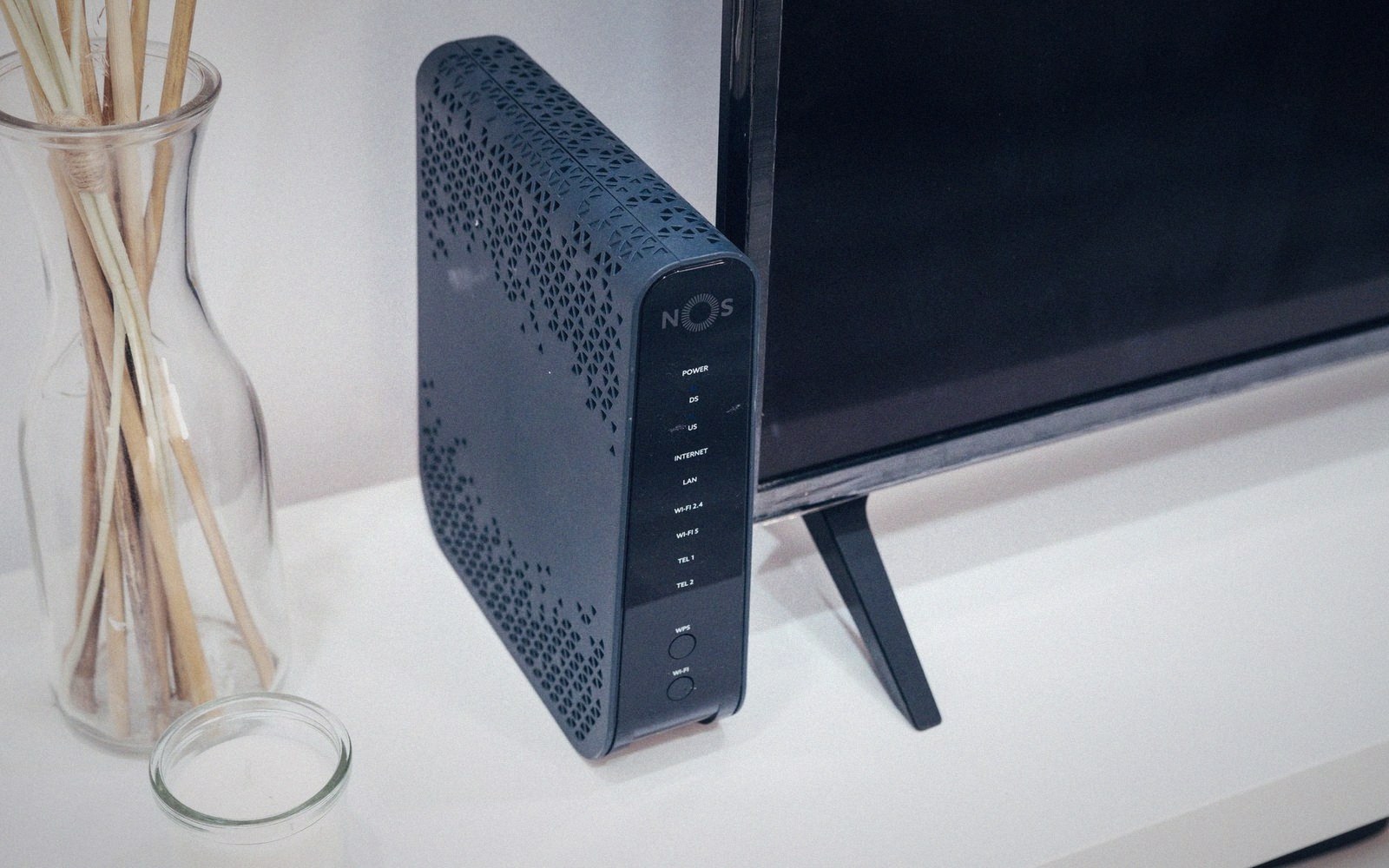 Indoors
The last three metres
A gigabit into the hallway is routinely undone by the wireless inside the house.
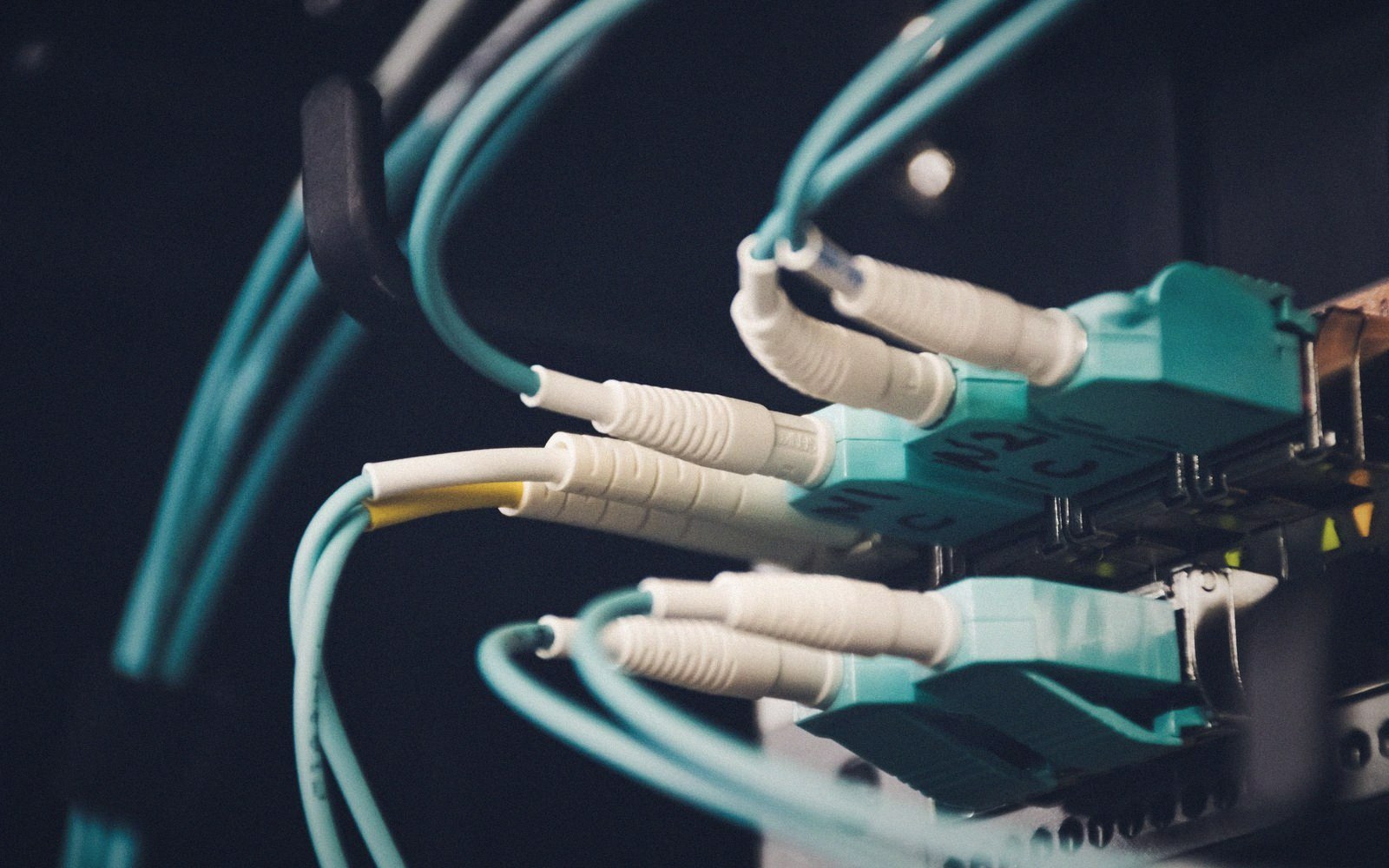 The Joint
Fusing two hairs of glass
Cleave both ends square, align the cores and arc them together so light crosses without noticing.
 The Split
One fibre, many homes
A passive splitter divides light with no power and no active parts, which is why the architecture is cheap to run and awkward to change.
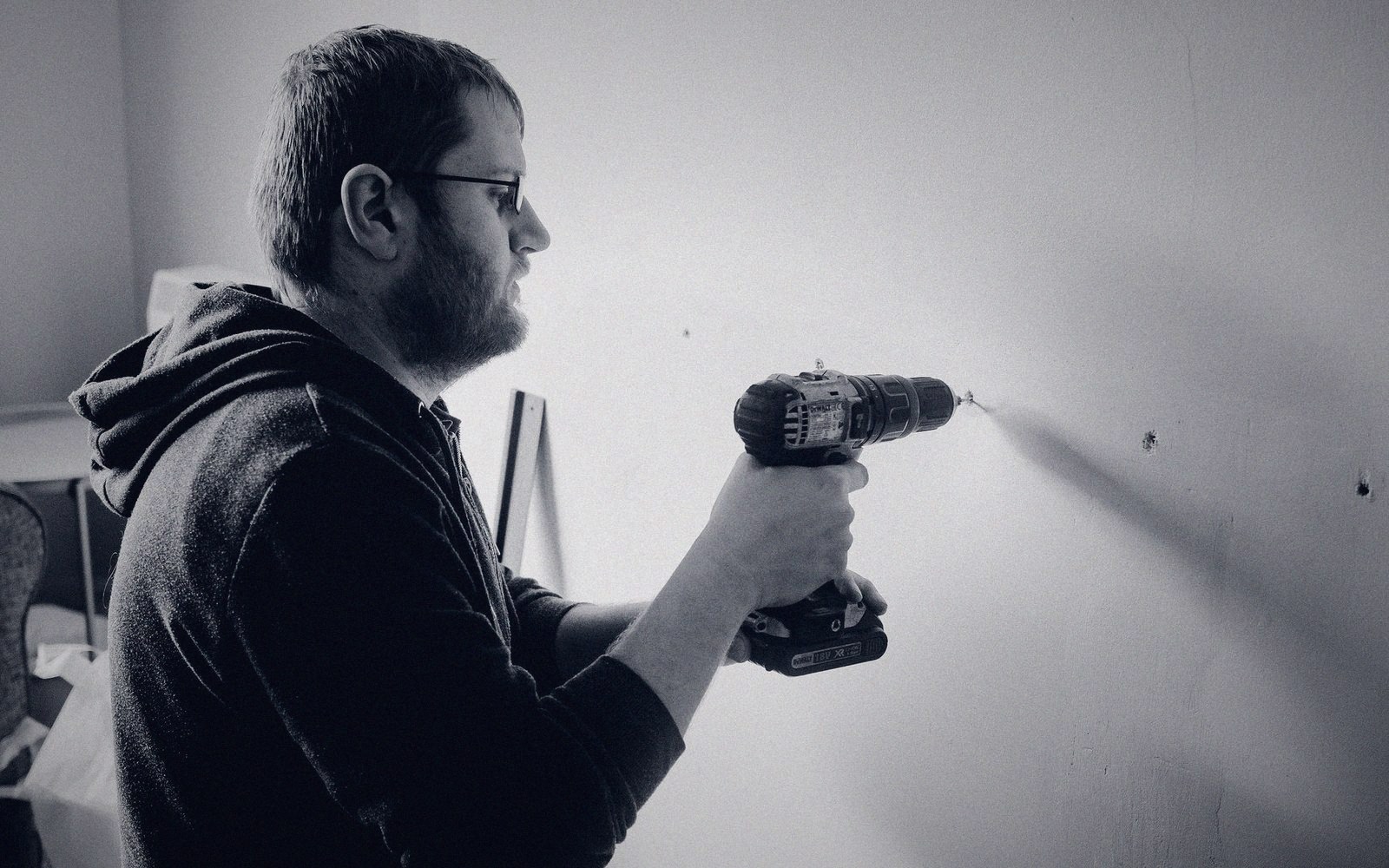 The Drop
Crossing the boundary
The drop from the street into the building is the step most likely to turn an hour into a morning.