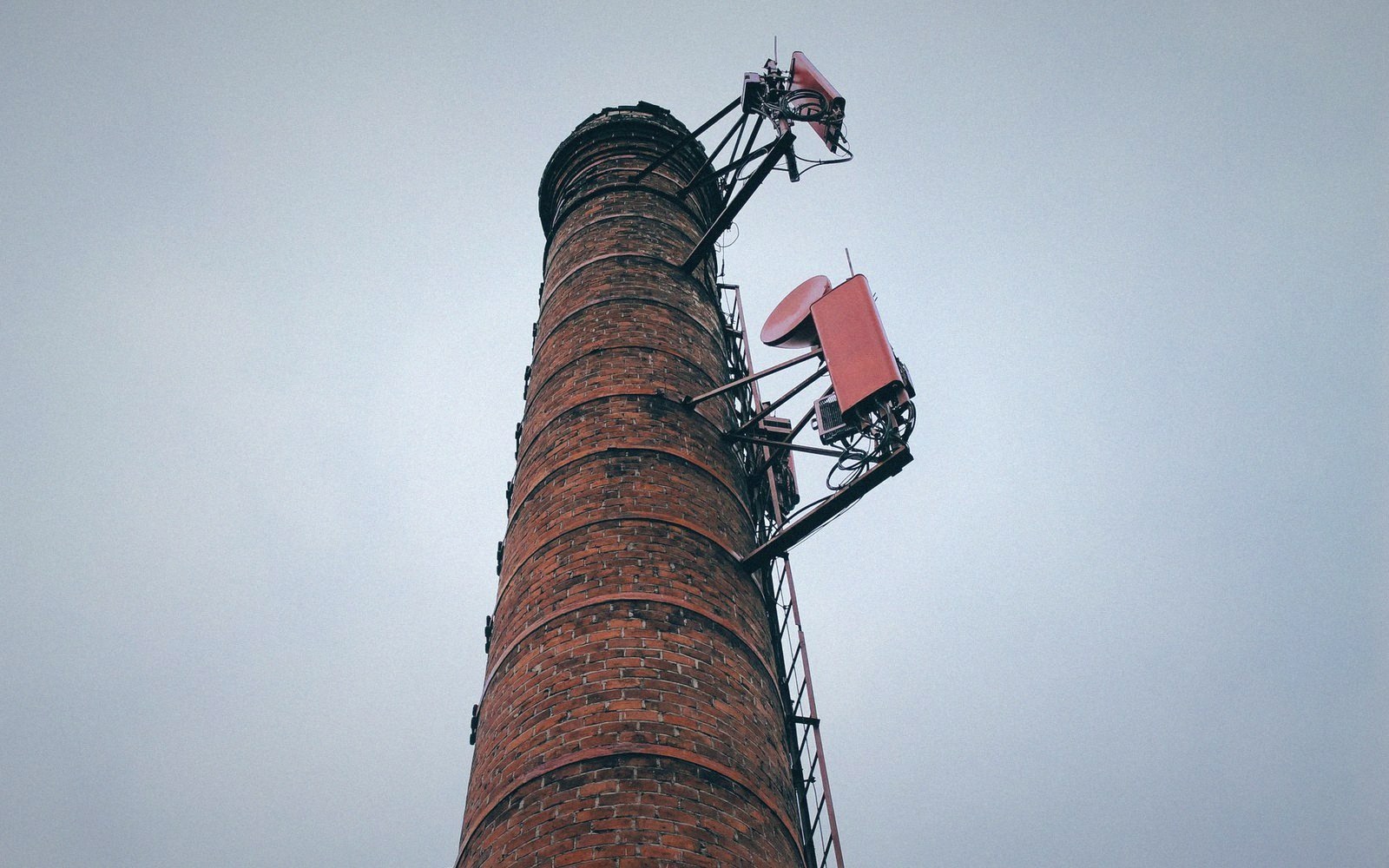
Crossing the boundary
The drop from the street into the building is the step most likely to turn an hour into a morning.
01The last splice is the hardest to reach
Everything up to this point has been predictable. The duct runs along the road; the cabinet sits in the verge; the splitter divides light into neat fractions. Then the cable has to cross a boundary — public land to private — and suddenly none of the rules apply in the same way.
The physical crossing is usually one of three things: a buried duct under the footpath and into the building's foundation, a catenary cable slung pole-to-pole and then down to a hook fixed above a lintel, or a surface-mounted cable clipped along a wall and through a drilled hole. Each carries its own failure mode. The buried route assumes a duct exists or that the ground can be disturbed; if neither is true, someone must dig across a footpath, secure a permit from the highway authority, and reinstate the surface — all for a run measured in metres. An aerial drop avoids the groundwork but requires a fixing point on the building and a clean line of sight to the pole, and wayleaves — the legal right to attach to a building or cross private land — can stall the whole job if the occupier is absent or reluctant. A surface route is the fastest installation and the first thing a householder objects to.
Where things fail
- Horizontal or inward-angled drill holes — water ingress over time
- Incorrect catenary tension — stress fractures at attachment and entry points
- Gel-tube-to-indoor-sheath transition managed informally in the field
- No rodding eye left in buried crossings; as-built records absent
02Where things actually go wrong
The crossing point is where physical and legal complexity land on the same afternoon. Permits, permissions, and property boundaries arrive together.
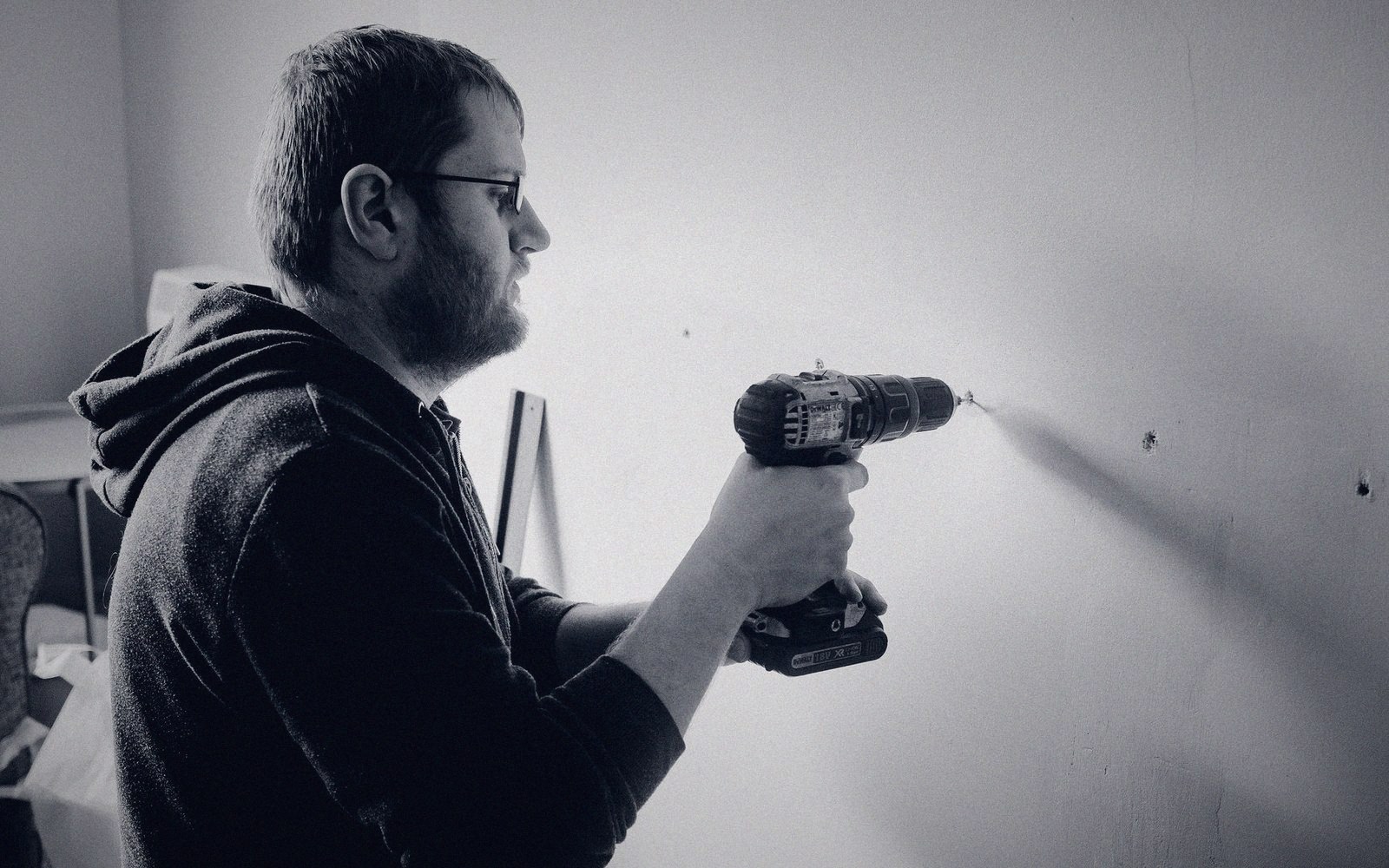
The drill hole itself is underappreciated as a failure mode. A hole bored at a slight downward angle into the wall drains water away; bored level or angling inward, it becomes a conduit for weather, and over time a source of ingress that neither the network operator nor the property owner anticipated. Sealing compound helps but degrades. A purpose-made entry gland is better and is rarely specified in the field.
The point of entry is also where cable management decisions are made under pressure. A sag in the aerial drop — too little tension — collects wind load and flexes at the attachment point; too much tension and the cable risks stress at the wall entry, particularly in cold weather when the sheath contracts. Getting the catenary tension right is a trade skill that scheduling rarely allocates time to develop.
Inside the wall, the cable passes from outdoor-rated sheath to whatever the building presents. The transition between an outdoor-rated cable — typically with a gel-filled or dry loose-tube construction — and the indoor drop to the wall box is a short length that is often handled informally: excess cable coiled behind a fascia, a gentle bend that may or may not exceed the minimum bend radius, a connector crimped in a cold porch with inadequate light. These are the origins of most early-life faults on completed drops.
03What the records never capture
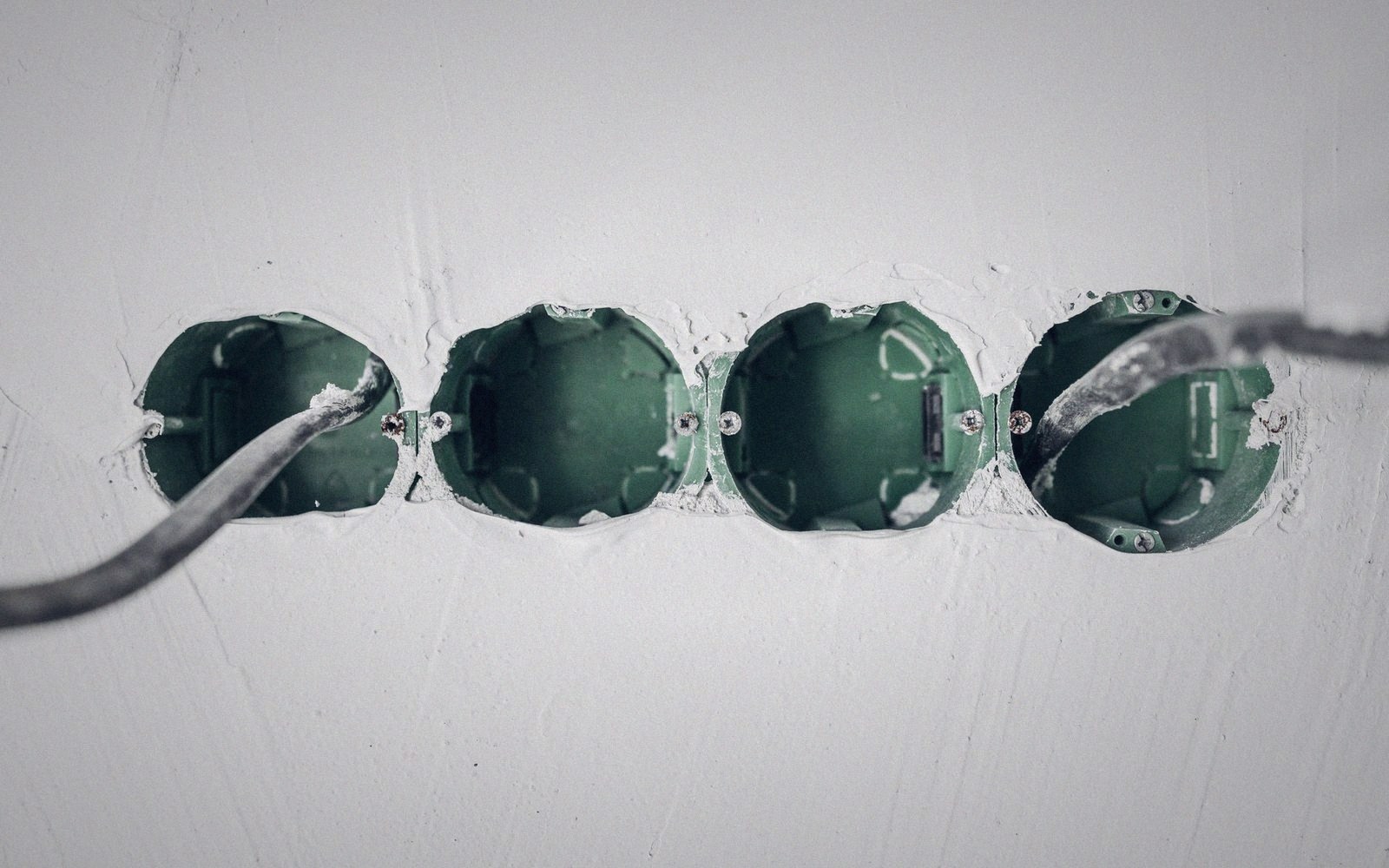
Buried duct crossings leave the least documentation. A record drawing marks the cabinet and the premises; the short run between them — its depth, its angle, whether a rodding eye was left — is frequently absent from as-built records. When the drop fails two years later, the locating engineer works from memory of what was probably done rather than what was actually done.
Aerial drops are better documented by their visibility, though the attachment point on the pole and the entry point on the building are still rarely photographed in a retrievable form. The industry-wide push toward mobile capture of installation data is closing this gap, but field adoption is uneven.
The point of entry is also where cable management decisions are made under pressure.
The Drop · Crossing the boundary
The crossing is short — often under twenty metres — and its cost in time is disproportionate to its length. A crew that can complete four or five drops before lunch on a clear-access street will spend the same time on a single crossing where the duct is blocked, the householder is out, or the entry point is behind a locked gate. Planning systems that treat all drops as equal lose the schedule before the first splice is made.
Chronology of a stalled drop
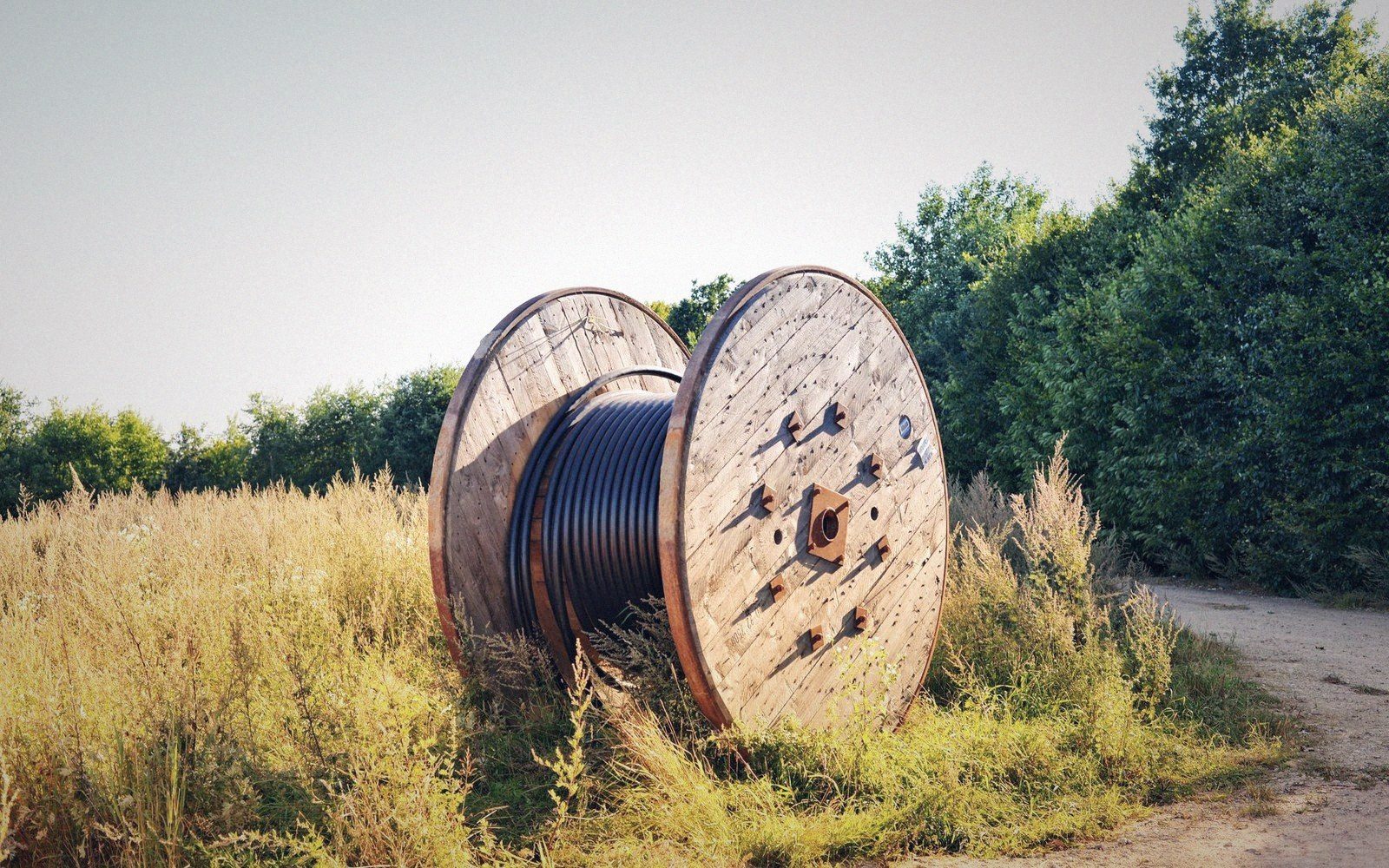
- Permit required to cross footpath — highway authority lead time varies by authority
- Wayleave needed if attaching to privately owned structure
- Occupier must be present or access pre-arranged
- Reinstatement inspection may follow groundwork — further delay