Micro-trenching
A narrow slot in the carriageway — quick, and only as good as the reinstatement.
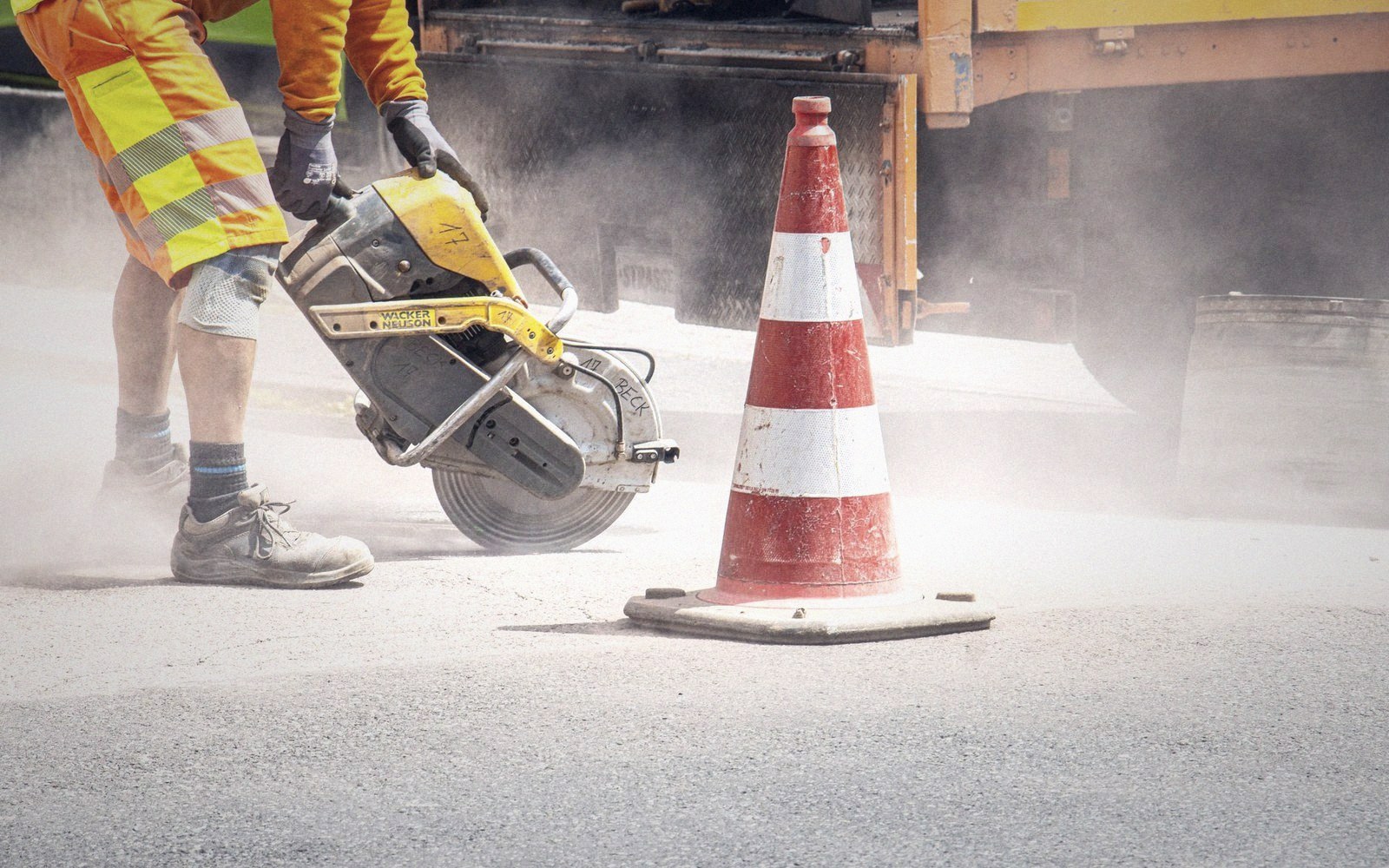
01Cut narrow, reinstate carefully
A conventional open-cut trench for a duct run is typically 300–600 mm wide and must comply with the same reinstatement standards as a gas main. Micro-trenching replaces that with a slot 30–50 mm wide, cut by a purpose-built chain saw or disc cutter, deep enough to bury a micro-duct at 100–150 mm below the carriageway surface. The material removed is a fraction; the disruption to traffic and adjacent utilities is dramatically less. A well-equipped crew can advance several hundred metres a day in open road.
The case for micro-trenching rests on speed and cost rather than on any technical advantage once the duct is in. Dig time per metre falls sharply. Reinstatement material volume falls with it, cutting both waste disposal and material supply. Lane closures shrink from days to hours. In urban areas where time-of-works permits are scarce and expensive, that alone can close the business case.
The liabilities cluster at the reinstatement. A 30 mm slot does not behave like undisturbed carriageway, and failure modes are unforgiving. If the slot is not adequately filled, compacted and capped, the surface breaks up under traffic — often within months of opening. Authorities in several UK cities have required remediation of micro-trench failures at the network builder's cost, and some highway authorities now impose bonding requirements or probationary periods before permitting micro-trenching on high-traffic routes. The fill specification — typically a resin-bound aggregate or rapid-setting cementitious compound — matters as much as the cut itself.
Depth is the other constraint. At 100–150 mm the duct is uncomfortably close to surface utilities: communications cables, buried service markers and shallow drainage channels. Existing utility records are rarely reliable at that resolution, so a ground-penetrating radar survey before the saw goes in is not optional. Shallow burial also means less physical protection; heavy vehicles or point loads from roadworks equipment can crush a micro-duct in ways that a conventionally buried duct would survive.
Regulators treat micro-trenching as a standard notifiable street work in most jurisdictions, though the reinstatement specification may differ from a full-width excavation. The UK's New Roads and Street Works Act 1991 and accompanying Specification for the Reinstatement of Openings in Highways apply in full; the narrowness of the slot does not reduce the obligation. Some local highway authorities have developed supplementary reinstatement codes specifically for the technique.
In the right setting — a quiet residential street with known utility clearances, a favourable surface and a restorer who takes the cap seriously — micro-trenching is a genuine accelerant. On a busy arterial with unknown shallow services, it is a liability in waiting. The slot is easy; what goes back into it is the work.
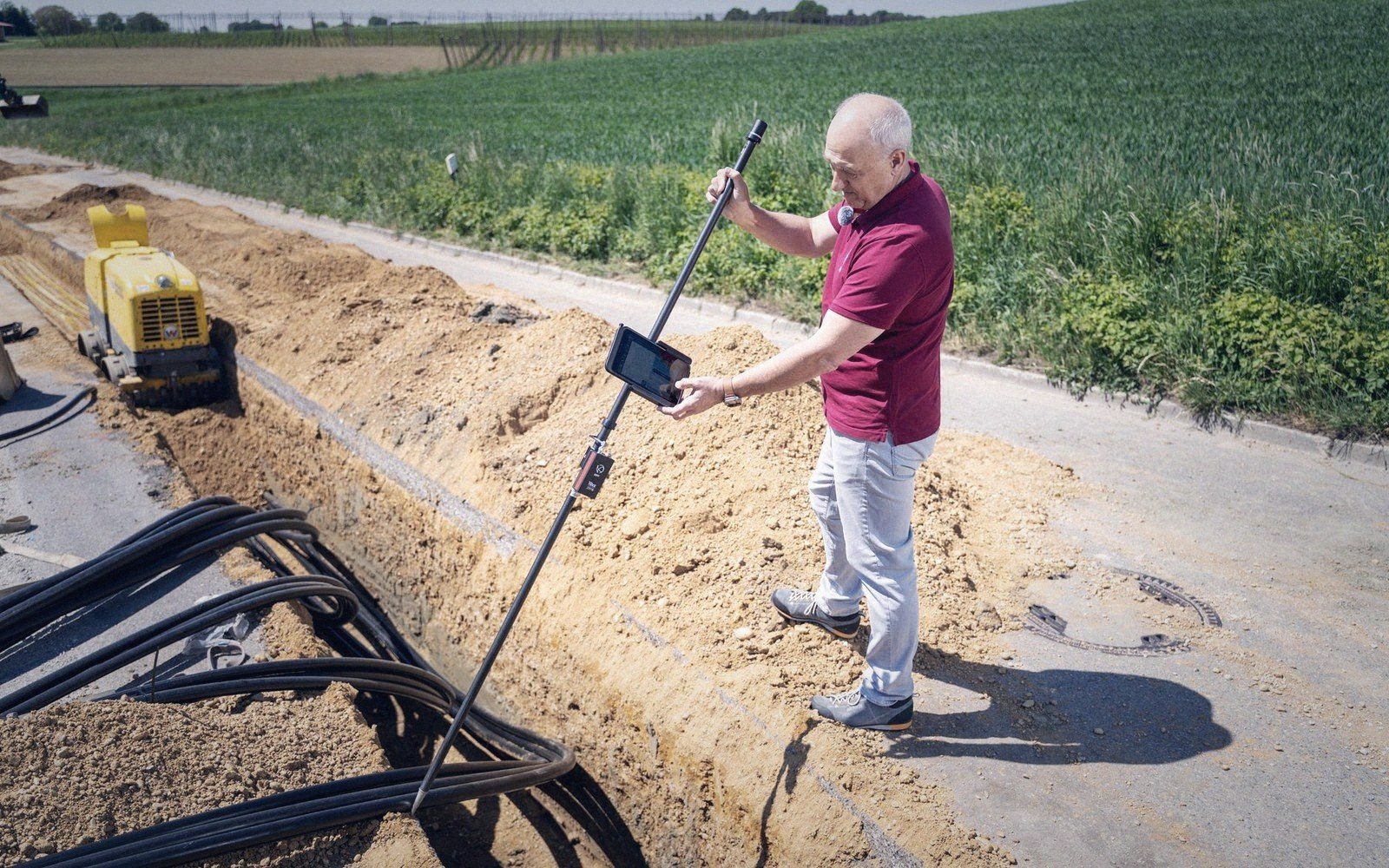
Where it wins and where it fails
- Quiet residential roads with good utility records — strong candidate
- Arterials, bus routes, heavily loaded carriageways — higher risk of reinstatement failure
- Shallow utility congestion — GPR survey mandatory before cutting
- Slow or careless reinstatement — the single most common cause of failure and authority complaints

How it differs from conventional open-cut
- Slot width: ~30–50 mm vs 300–600 mm for a standard trench
- Depth: ~100–150 mm — close to surface utilities
- Fill material: resin-bound aggregate or rapid-setting cementitious compound, not loose hardcore
- Advance rate: several hundred metres per day vs tens of metres for open-cut