The complete register
Twenty-three guides, in the order a connection meets them: down the street, through the joint, past the splitter, over the air where the ground will not do, across the boundary and into the building.
Route · 5 guides
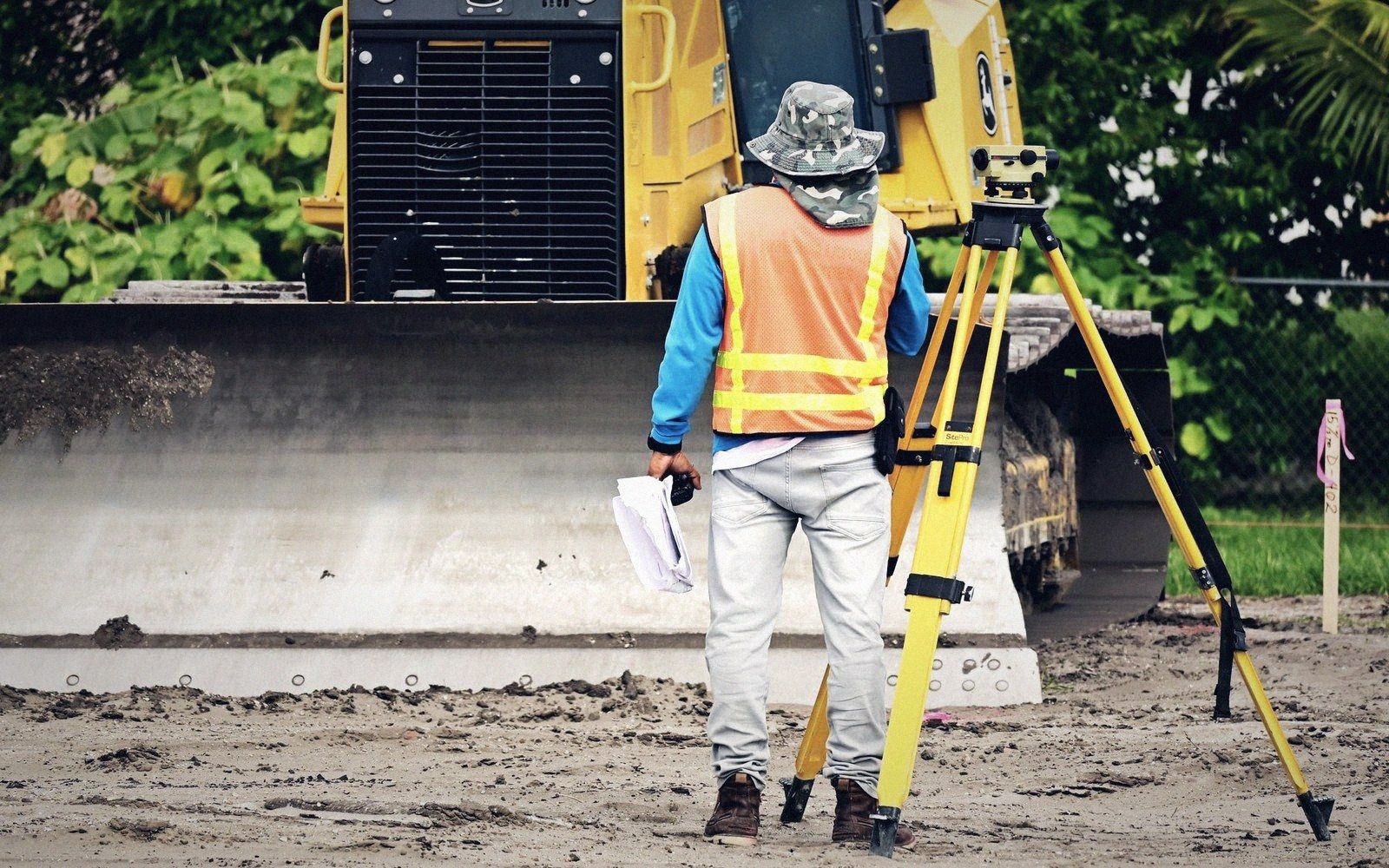
Trench, duct and pole — getting the cable down the street. Section page →
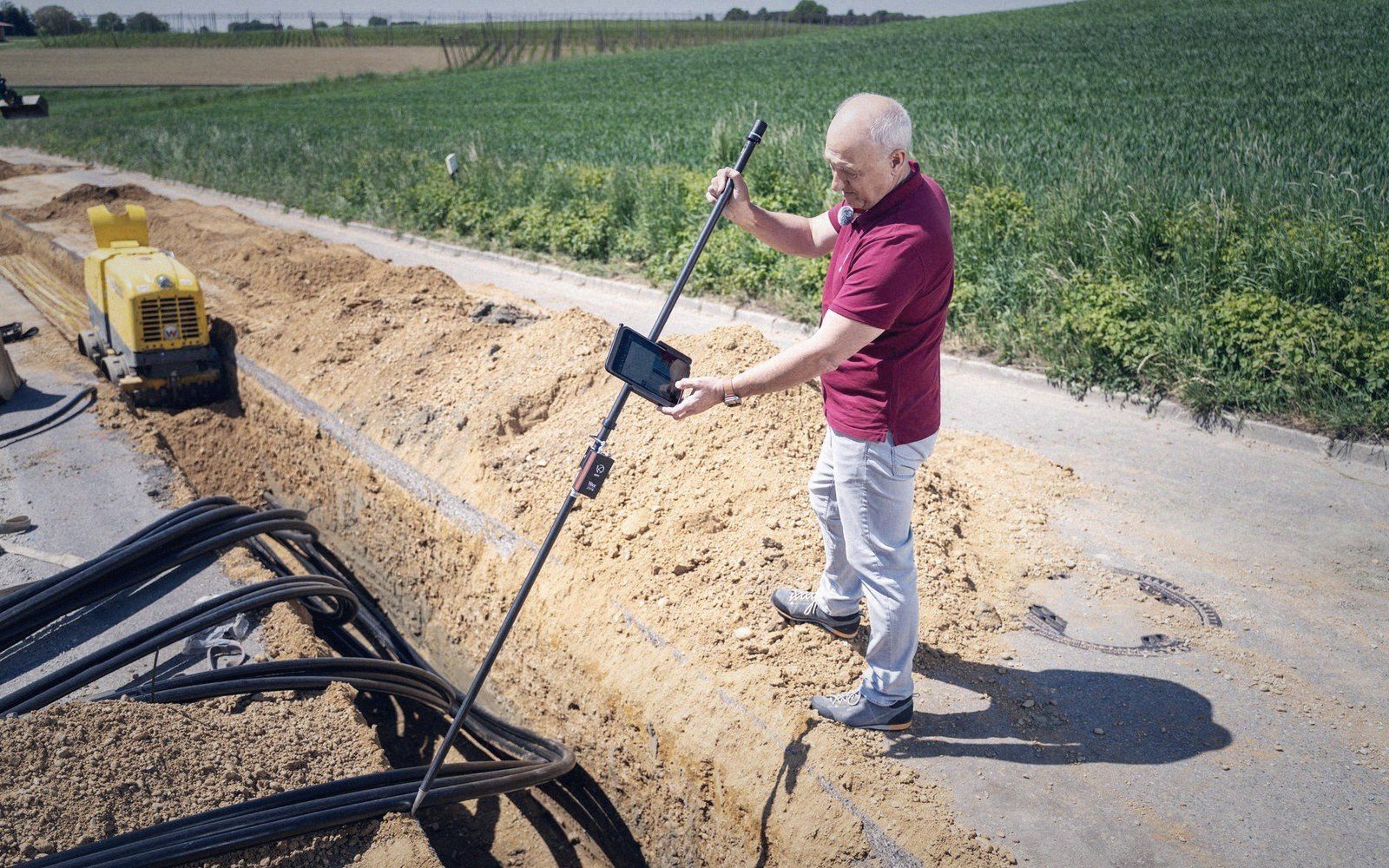
The last hundred metres
Backhaul is cheap per home and the final stretch is not: the cost of an access network is overwhelmingly the cost of getting down a street and across a boundary. Trenching, existing duct, poles and micro-trenching all trade capital cost against disruption, permission and how long the reinstatement lasts.
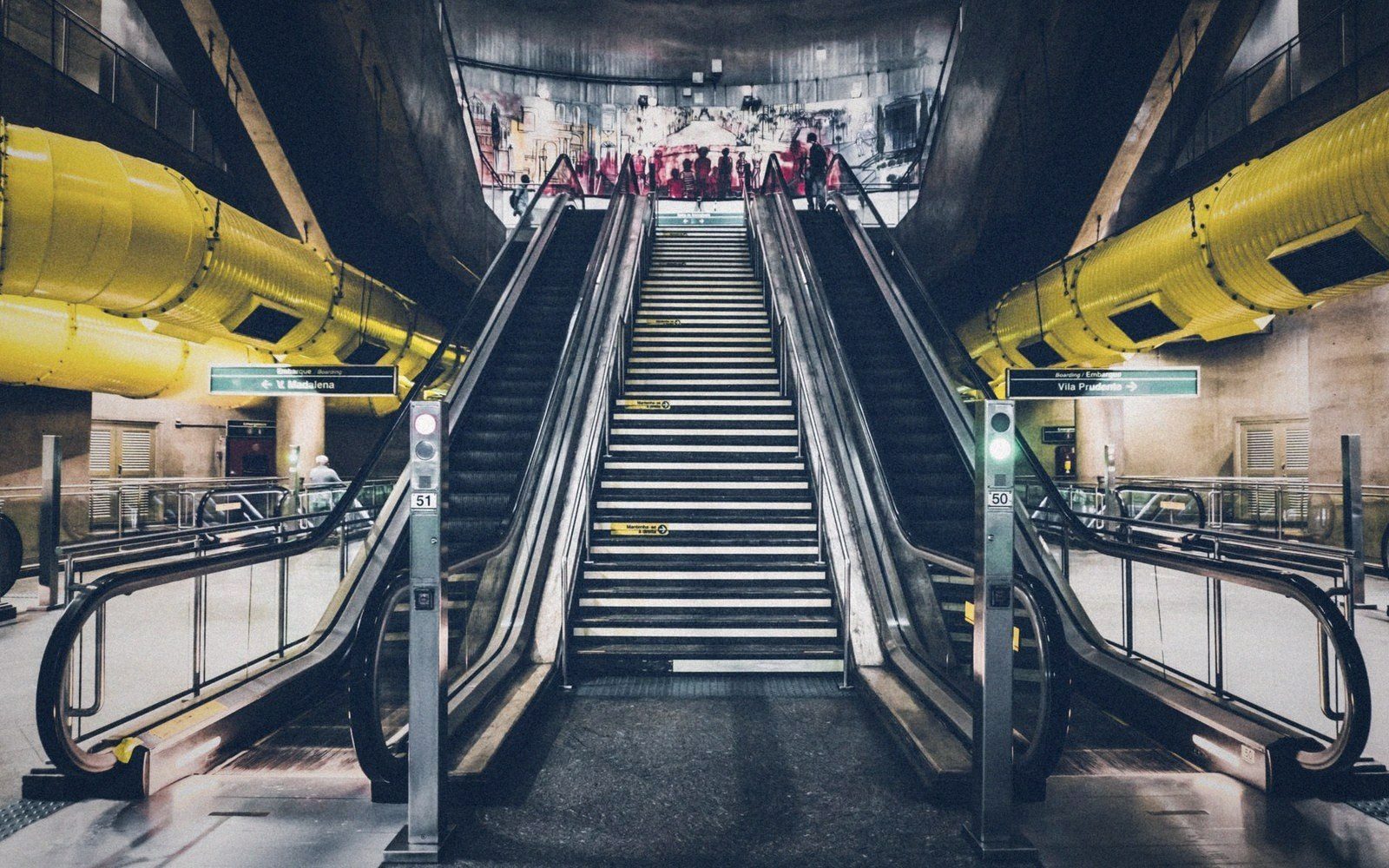
Duct you already have
Reusing existing infrastructure is transformative where it exists and maddening where the records are wrong.
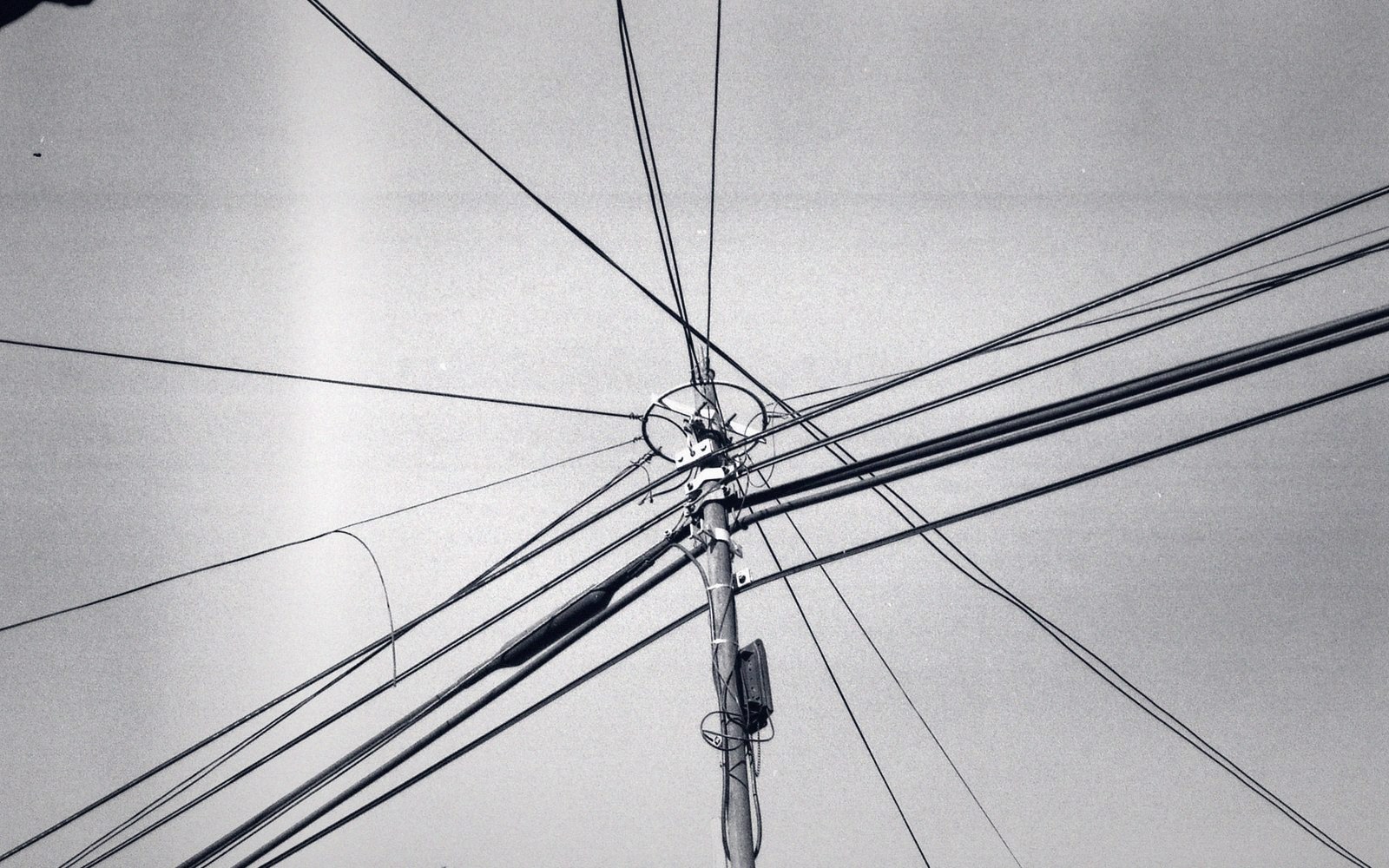
Poles
Overhead is fast and cheap and visible, and the objection is nearly always visual.
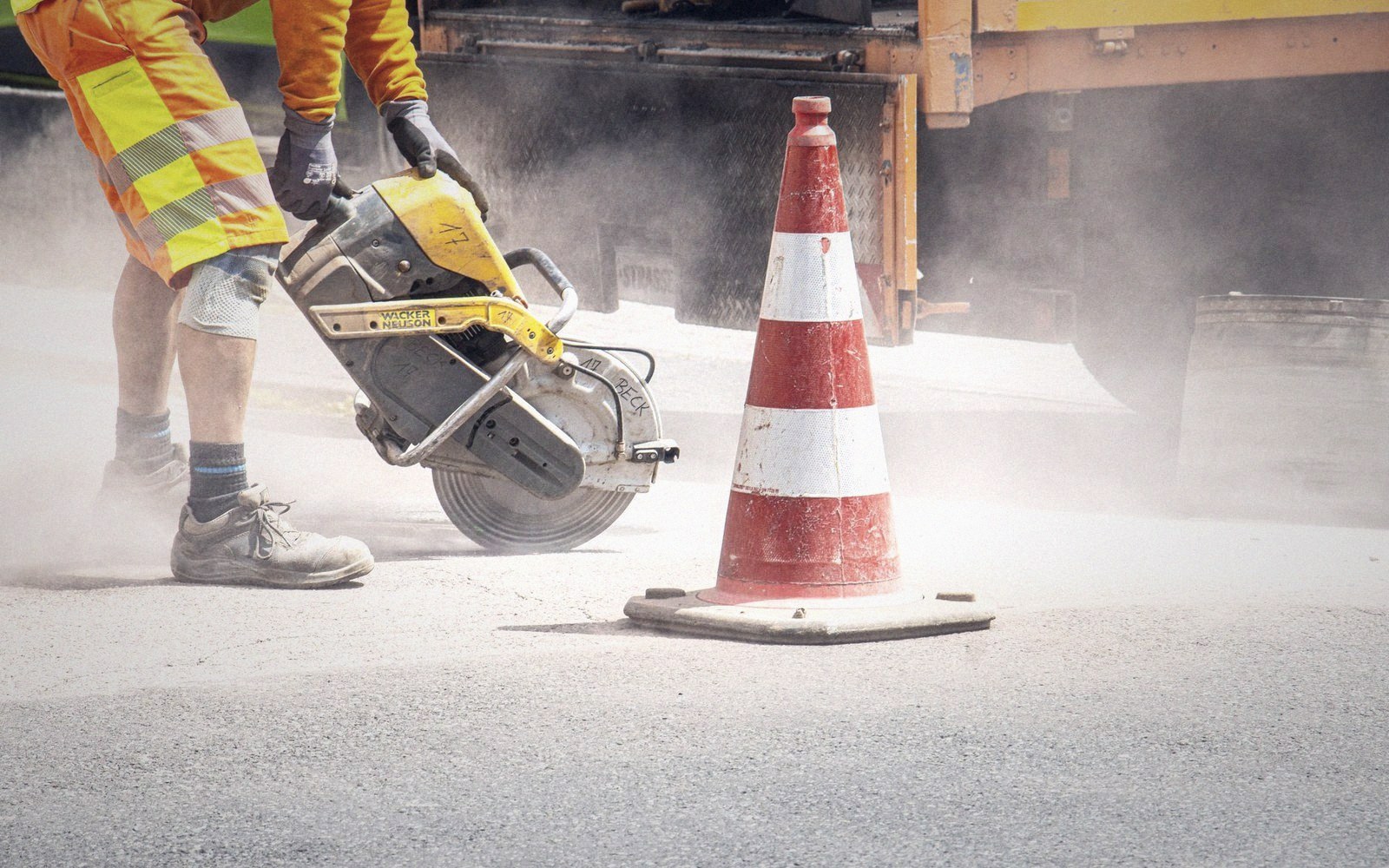
Micro-trenching
A narrow slot in the carriageway — quick, and only as good as the reinstatement.
Permission
The legal right to cross somebody's land, and the commonest cause of delay.
The Joint · 4 guides
Splicing, enclosures and the losses you cannot see. Section page →

Fusing two hairs of glass
Cleave both ends square, align the cores and arc them together so light crosses without noticing. Cleave angle is what usually spoils it.
The enclosure
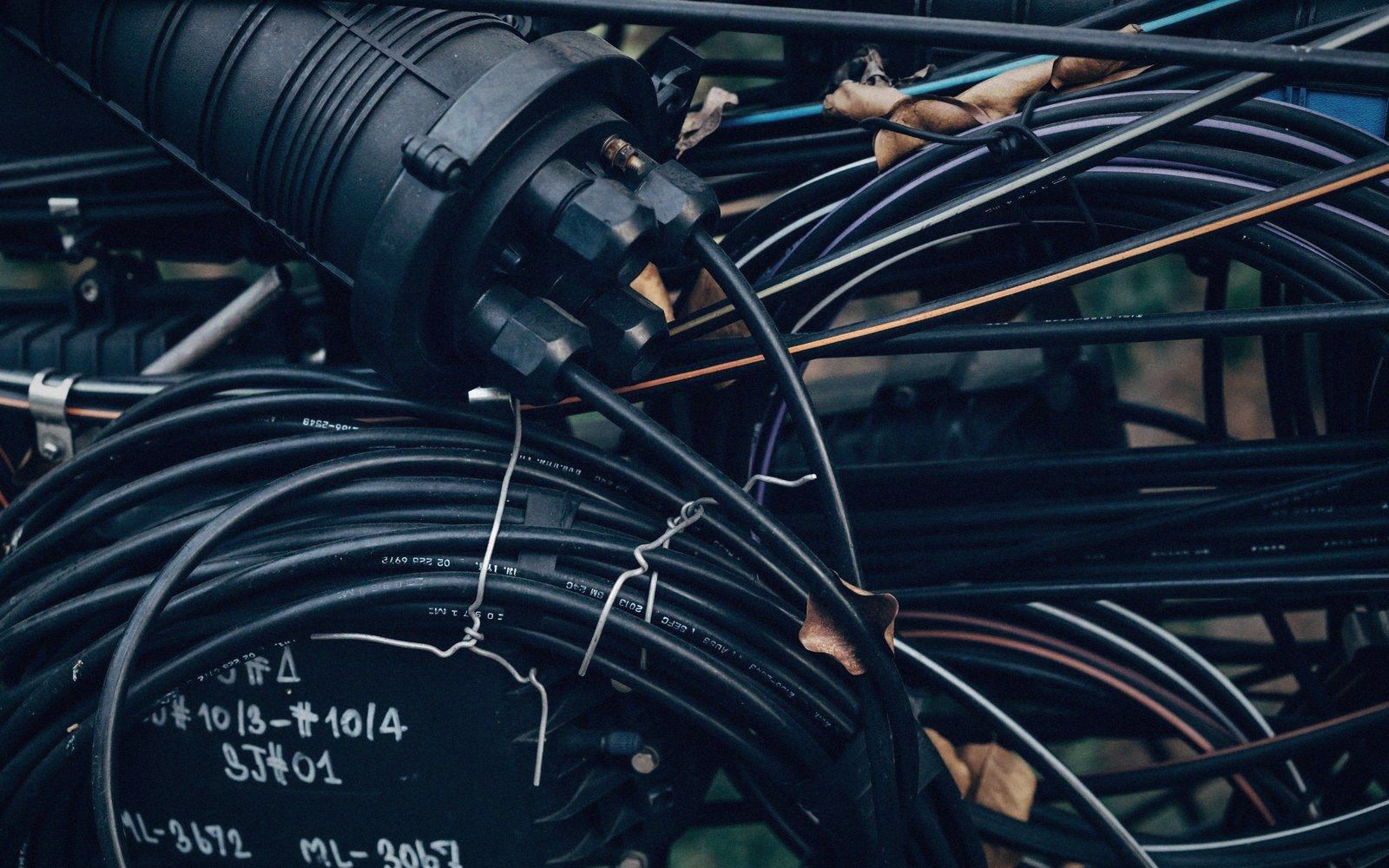
A joint lives underground or on a pole for decades. Sealing and strain relief matter more than the splice.
Bend radius
Fibre bent too tight leaks light and keeps working just well enough to be hard to find.
Reading a trace
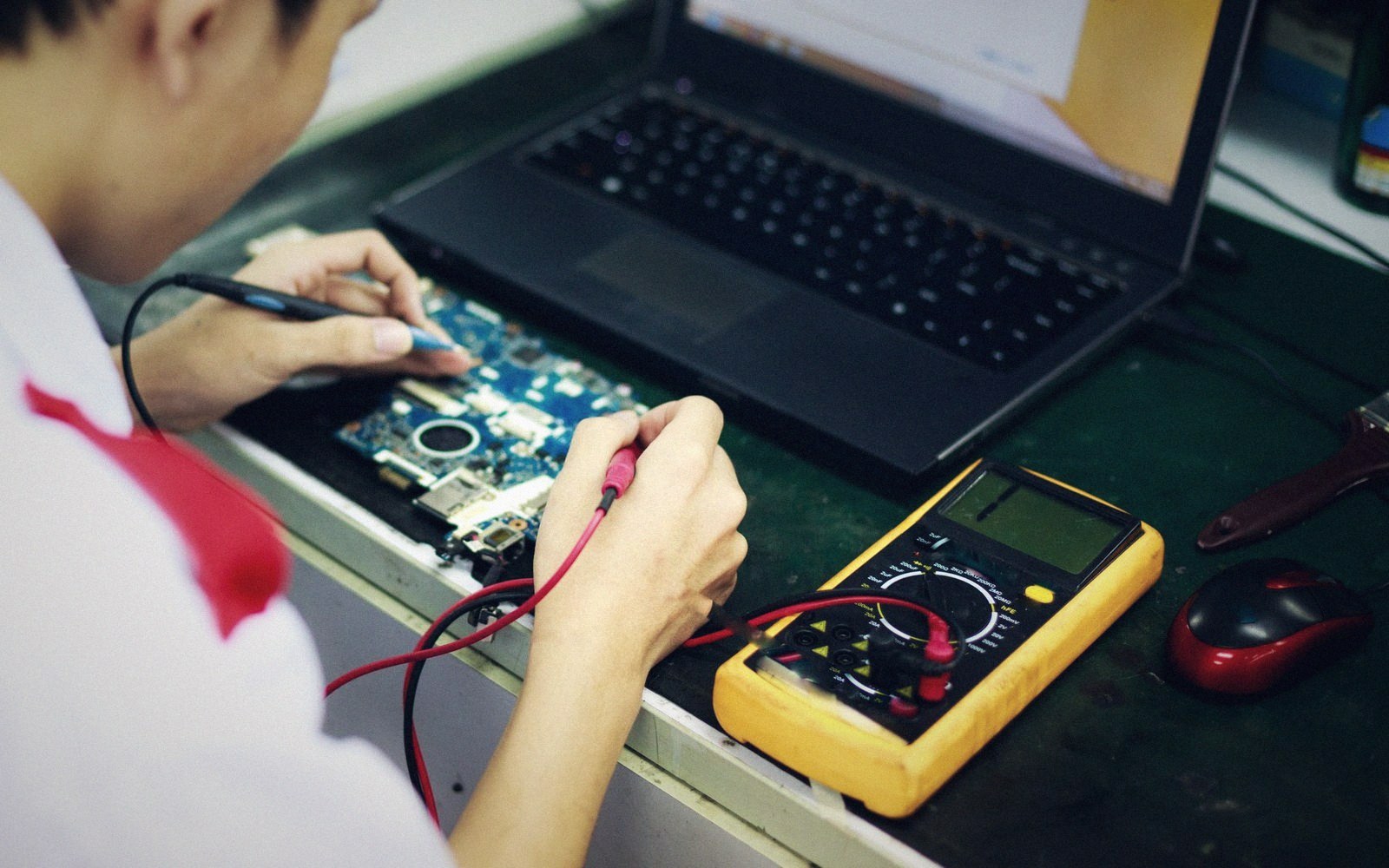
A reflectometer shows you the length and the losses along it, and where the fault is.
The Split · 3 guides
Passive splitting and what the architecture costs. Section page →

One fibre, many homes
A passive splitter divides light with no power and no active parts, which is why the architecture is cheap to run and awkward to change.
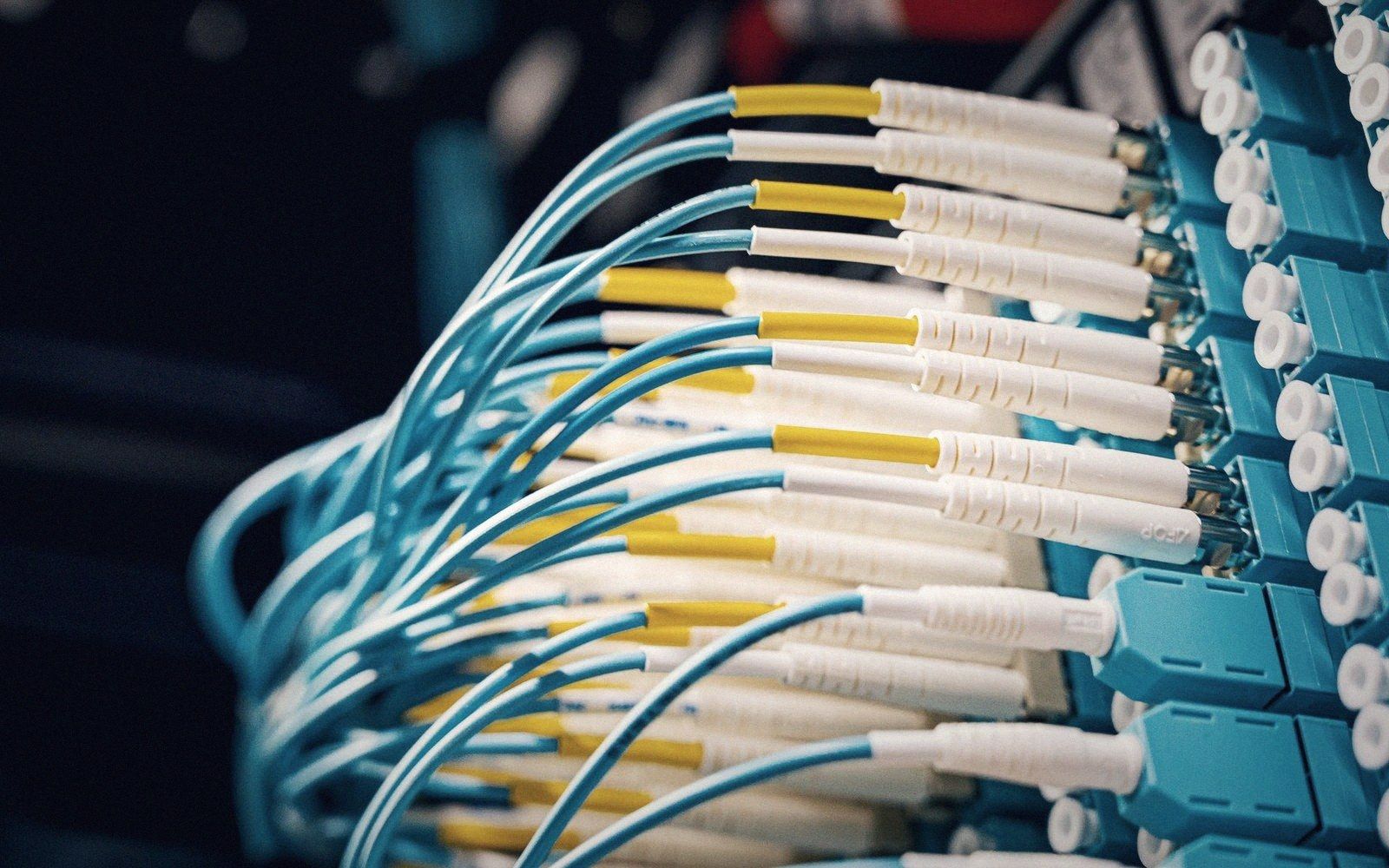
Split ratios
Every doubling costs light and shares capacity. The ratio is a commercial decision wearing engineering clothes.
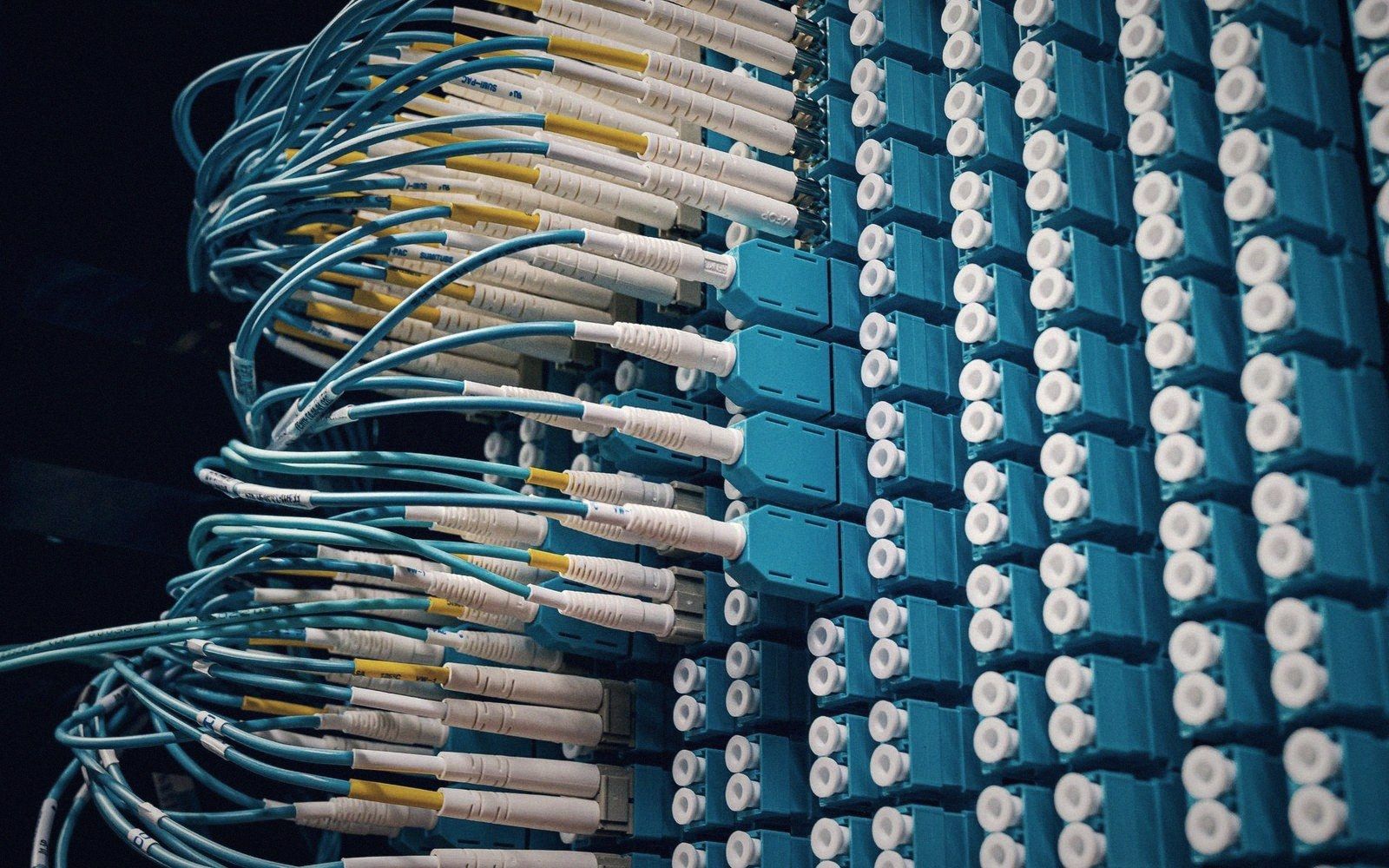
Point-to-point instead
A dedicated fibre per premises — more glass, simpler life.
Beyond Fibre · 5 guides
Wireless, coax, copper and satellite. Section page →

Fixed wireless
A dish on a gable and a base station in line of sight. It goes in within a day and the weather has opinions about the higher frequencies.
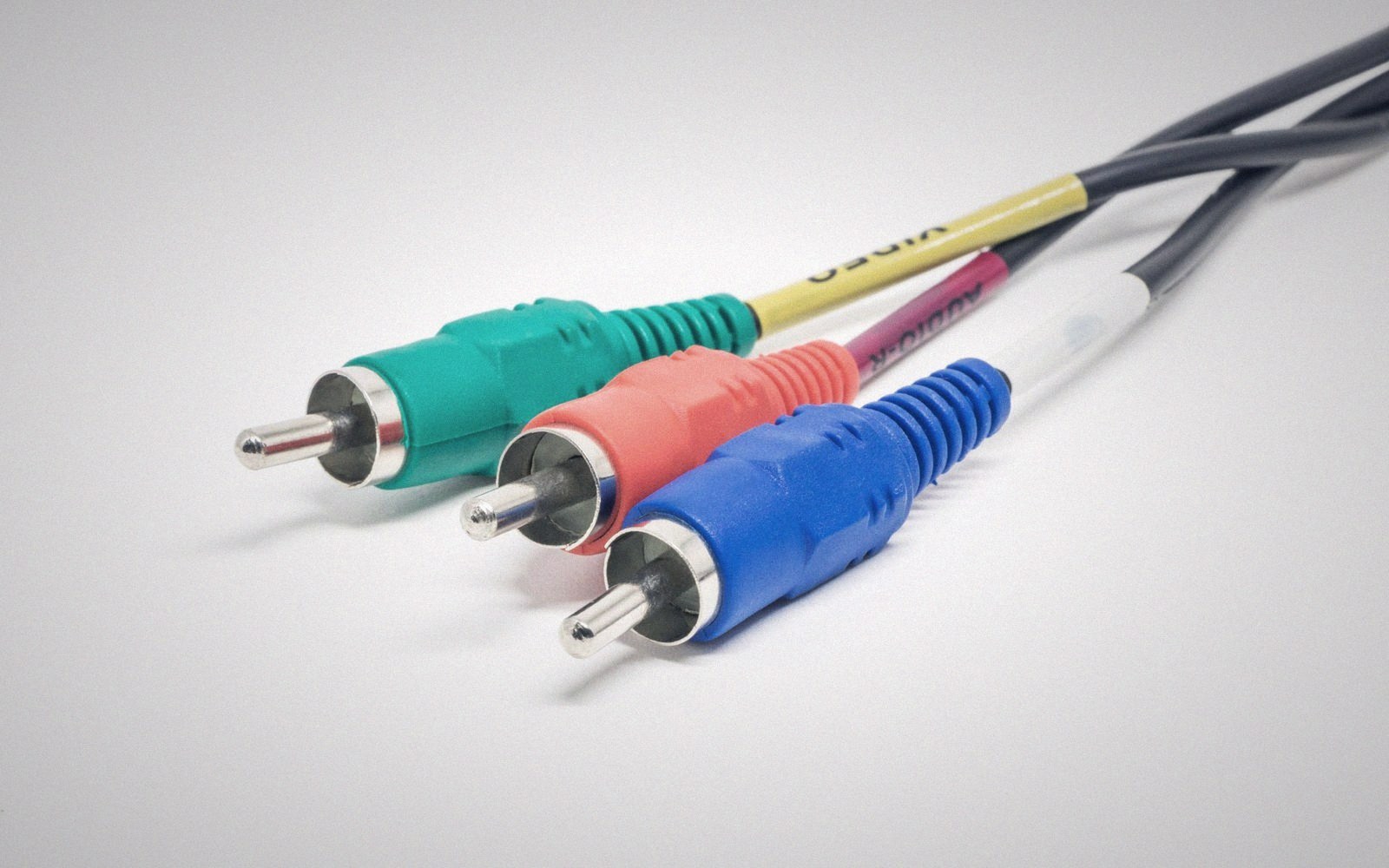
Coax pushed further
Cable plant already passing millions of homes, upgraded rather than replaced.
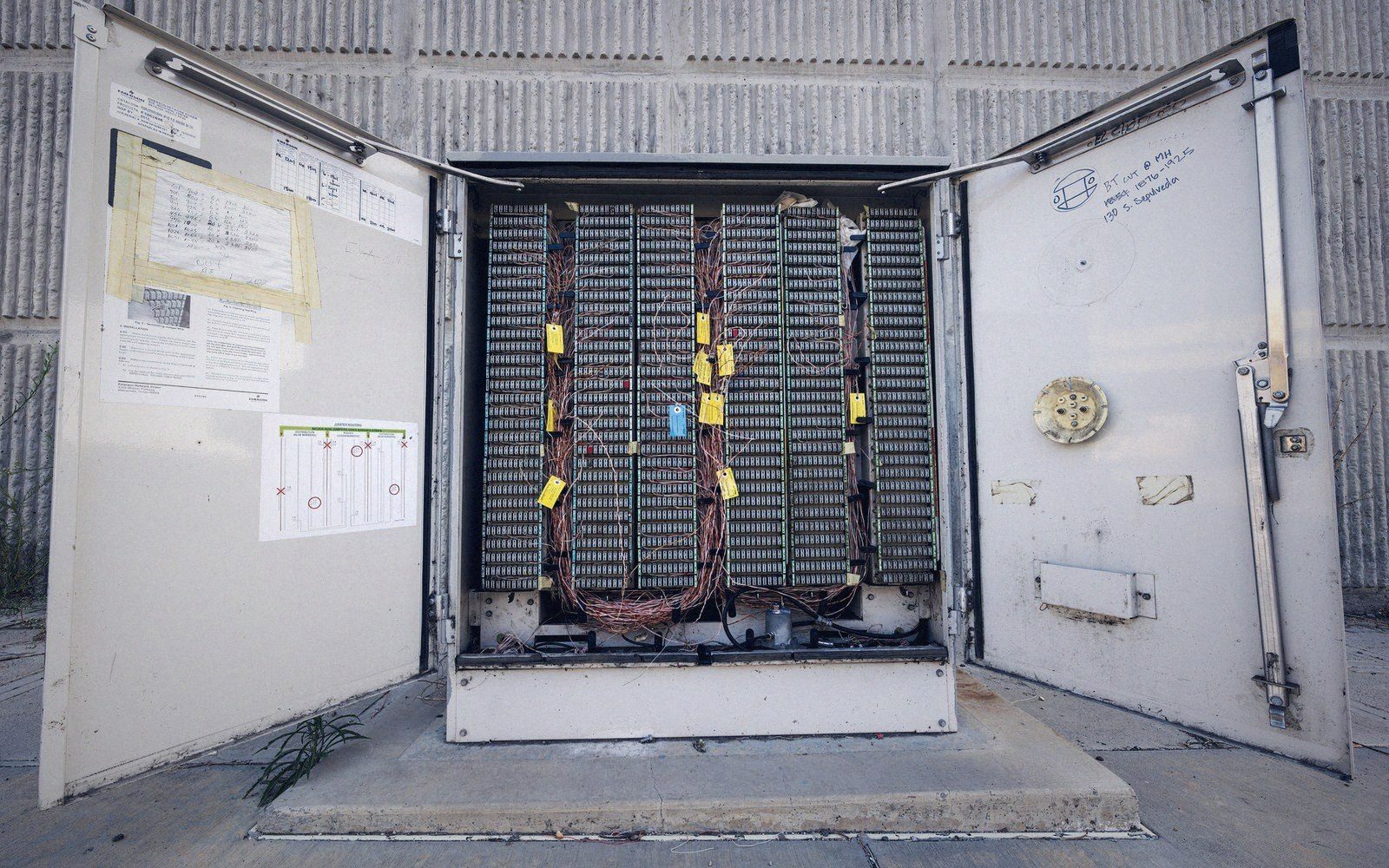
Copper's last tricks
Very high rates over very short runs, from a cabinet close enough to matter.
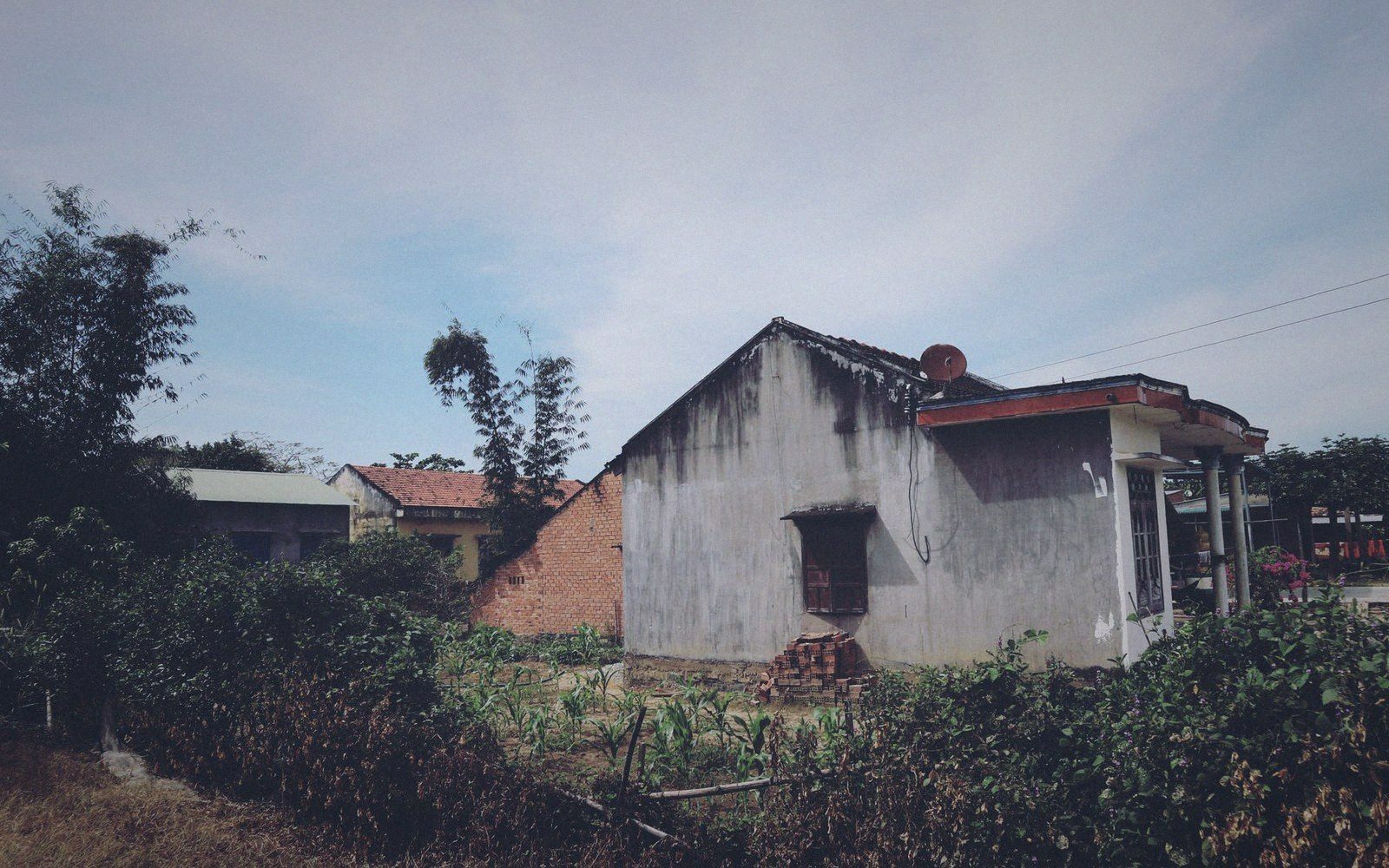
Low-orbit satellite
Where there is no street at all. Latency solved by altitude, capacity shared by cell.
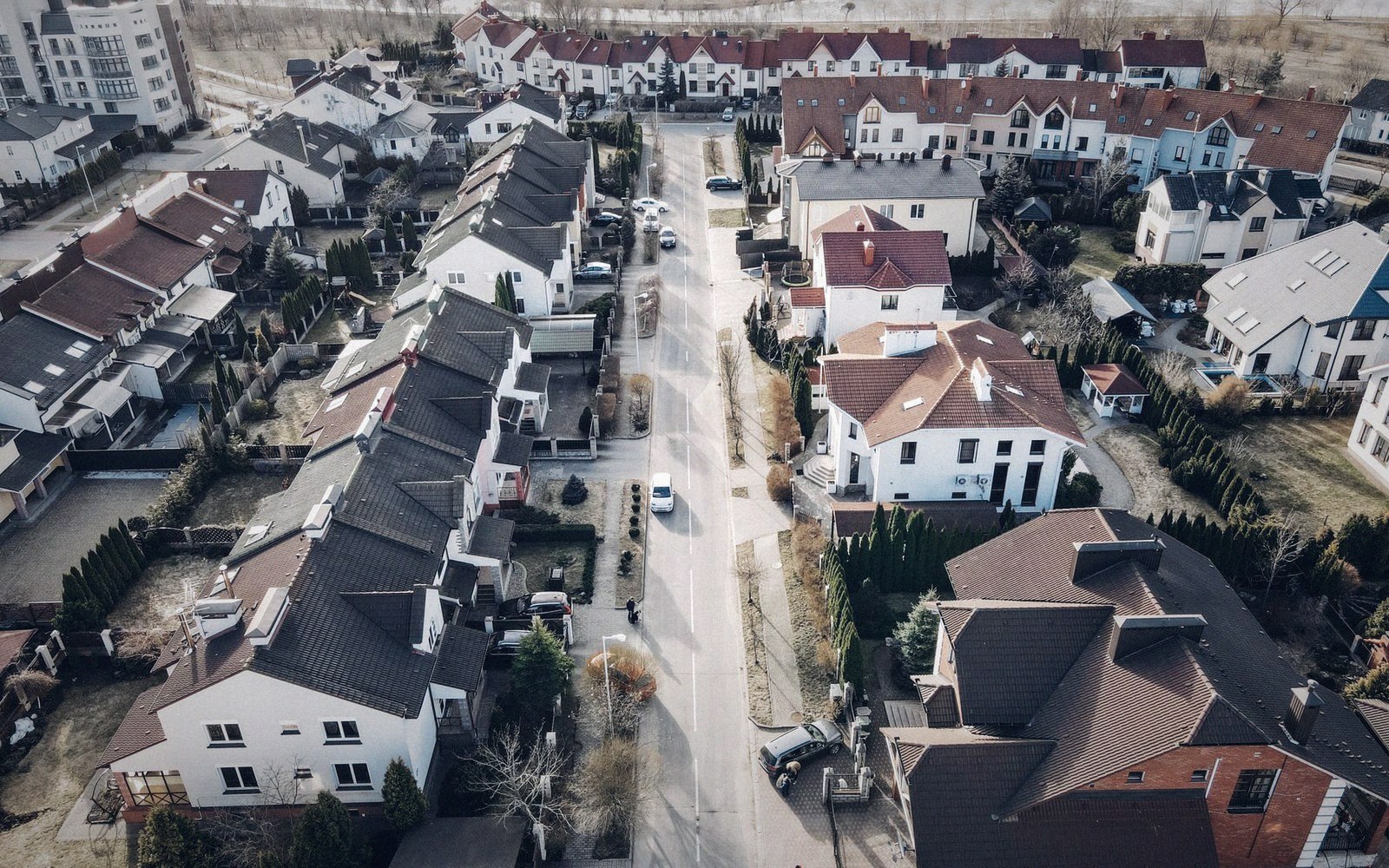
Why a street gets one and not another
Density, existing plant, permission and who already owns the duct — rarely the technology's merits.
The Drop · 3 guides
The last few metres into the building. Section page →
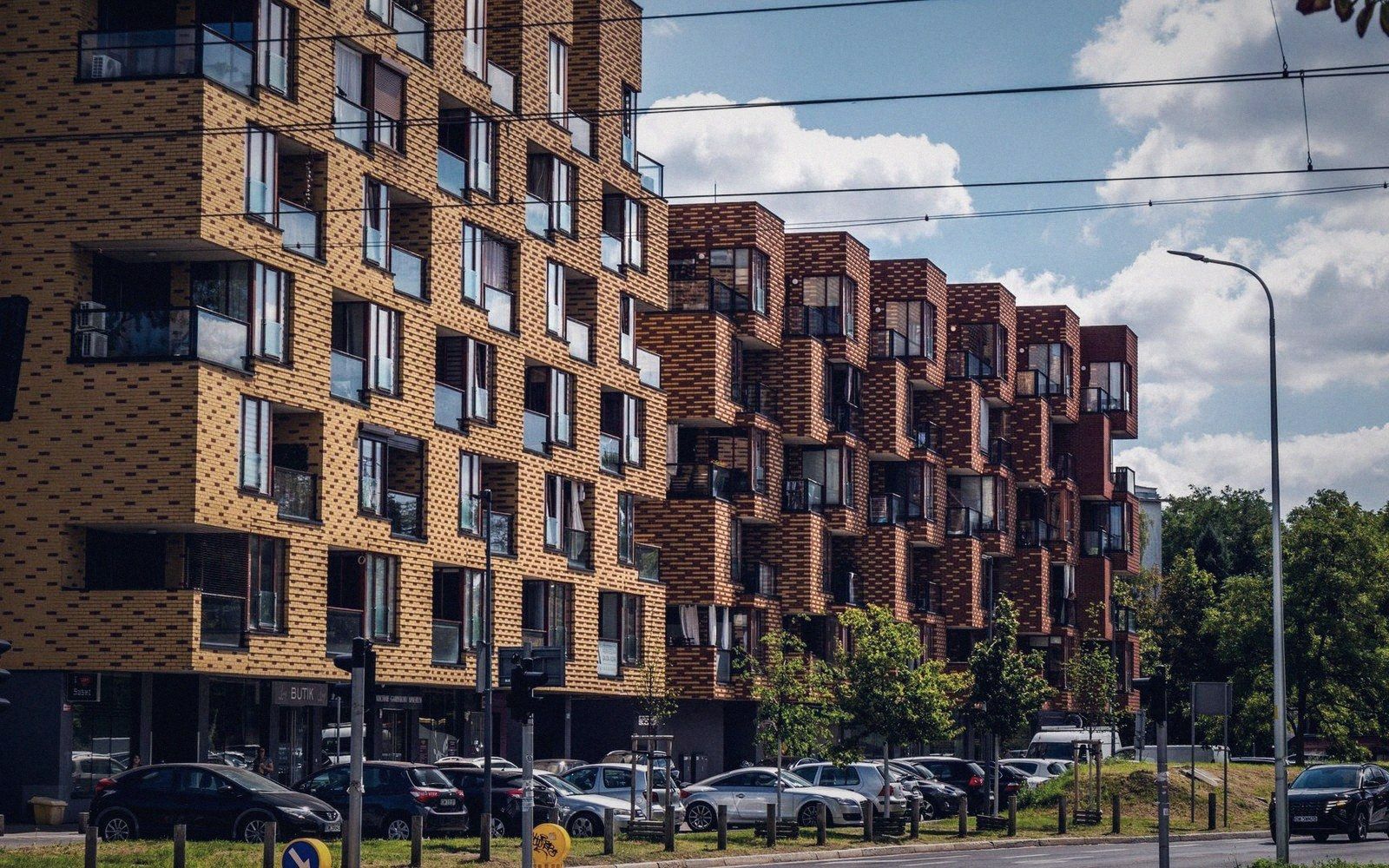
Indoors · 3 guides
Where the gigabit usually goes missing. Section page →

The last three metres
A gigabit into the hallway is routinely undone by the wireless inside the house. The bottleneck is behind the front door far more often than in front of it.
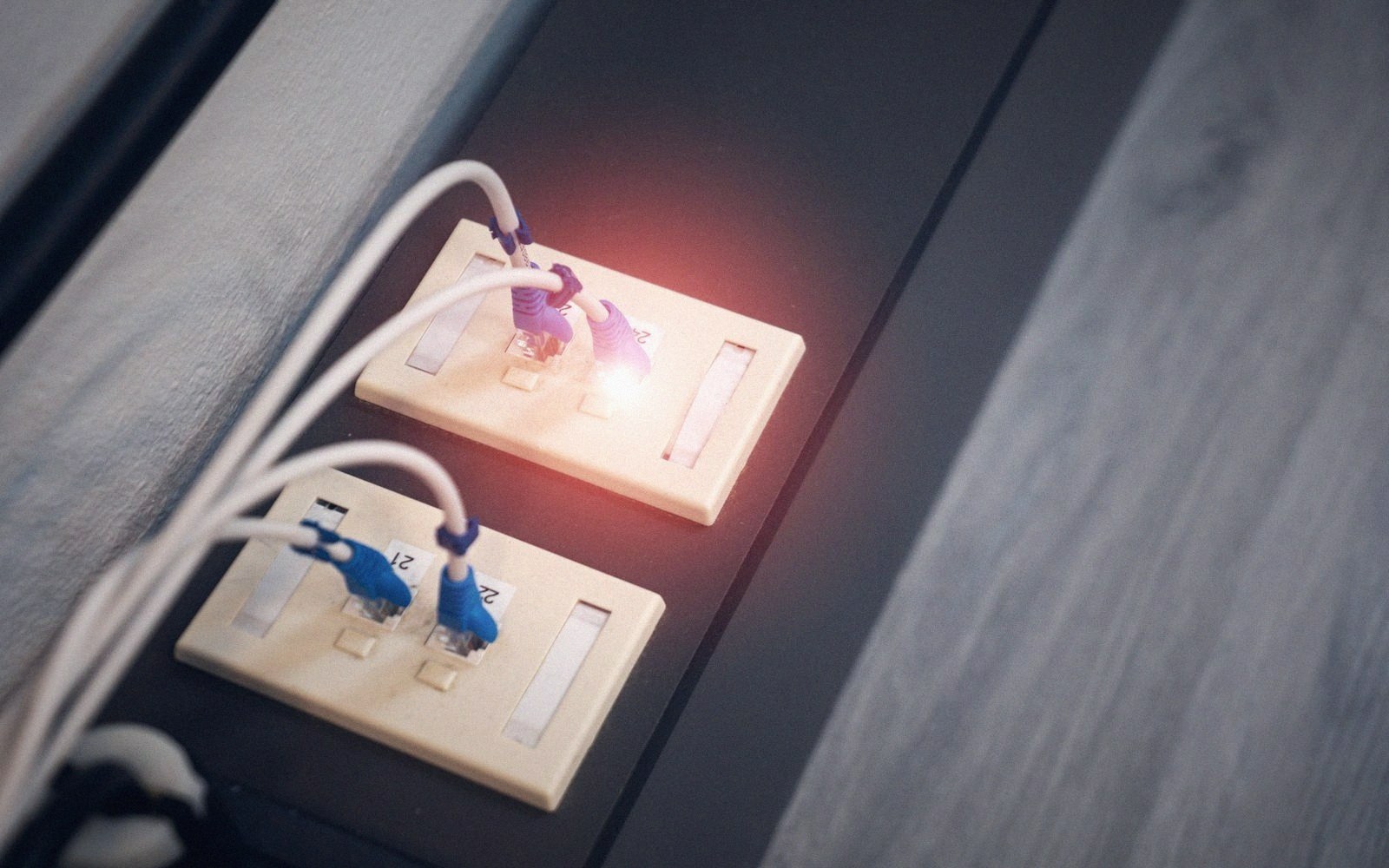
Where the router goes
Usually where the socket is, which is usually the worst place in the building.
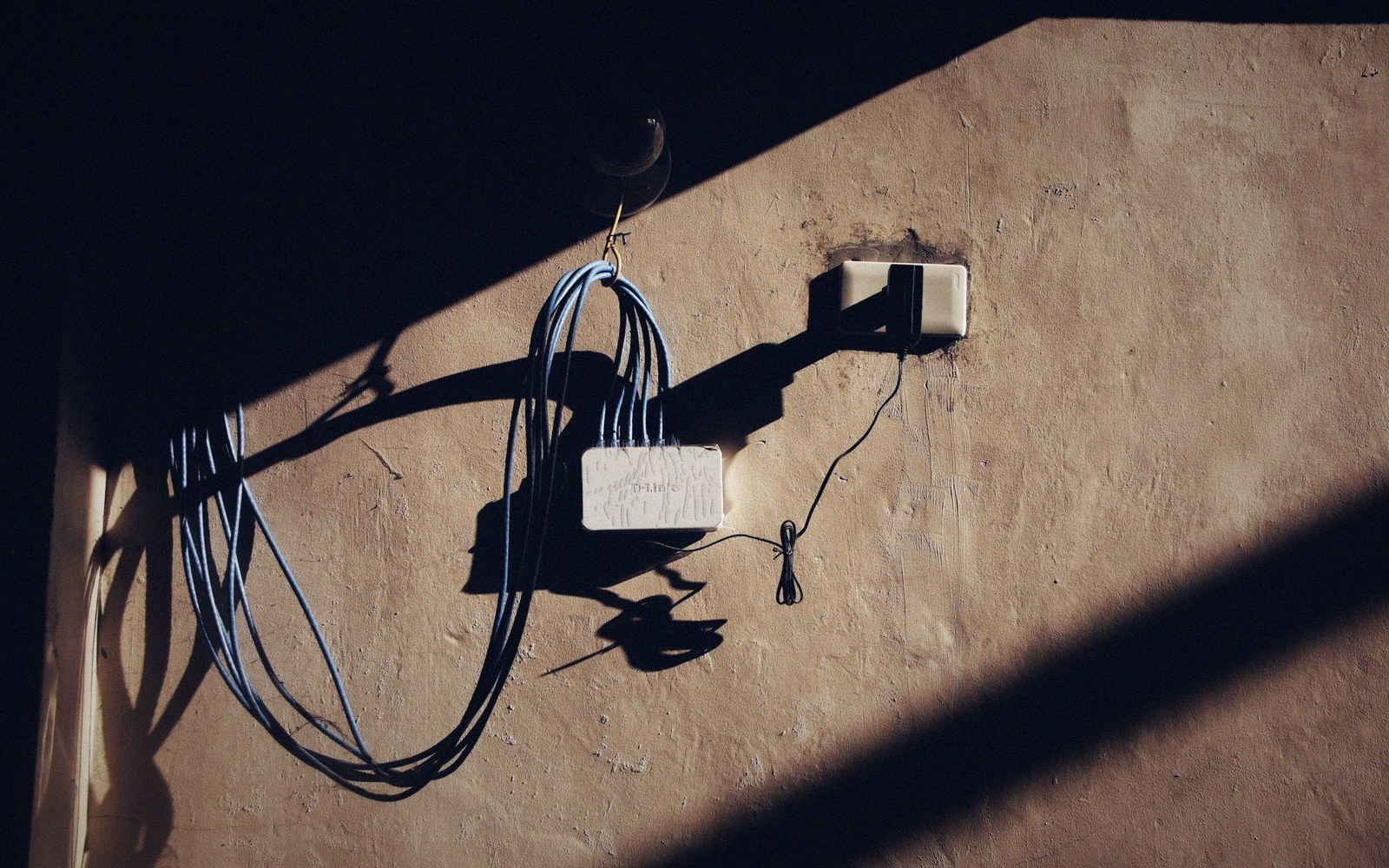
Wiring a house
Structured cable as the unglamorous answer to a wireless problem.