Permission
The legal right to cross somebody's land, and the commonest cause of delay.

01The right nobody remembers until it is missing
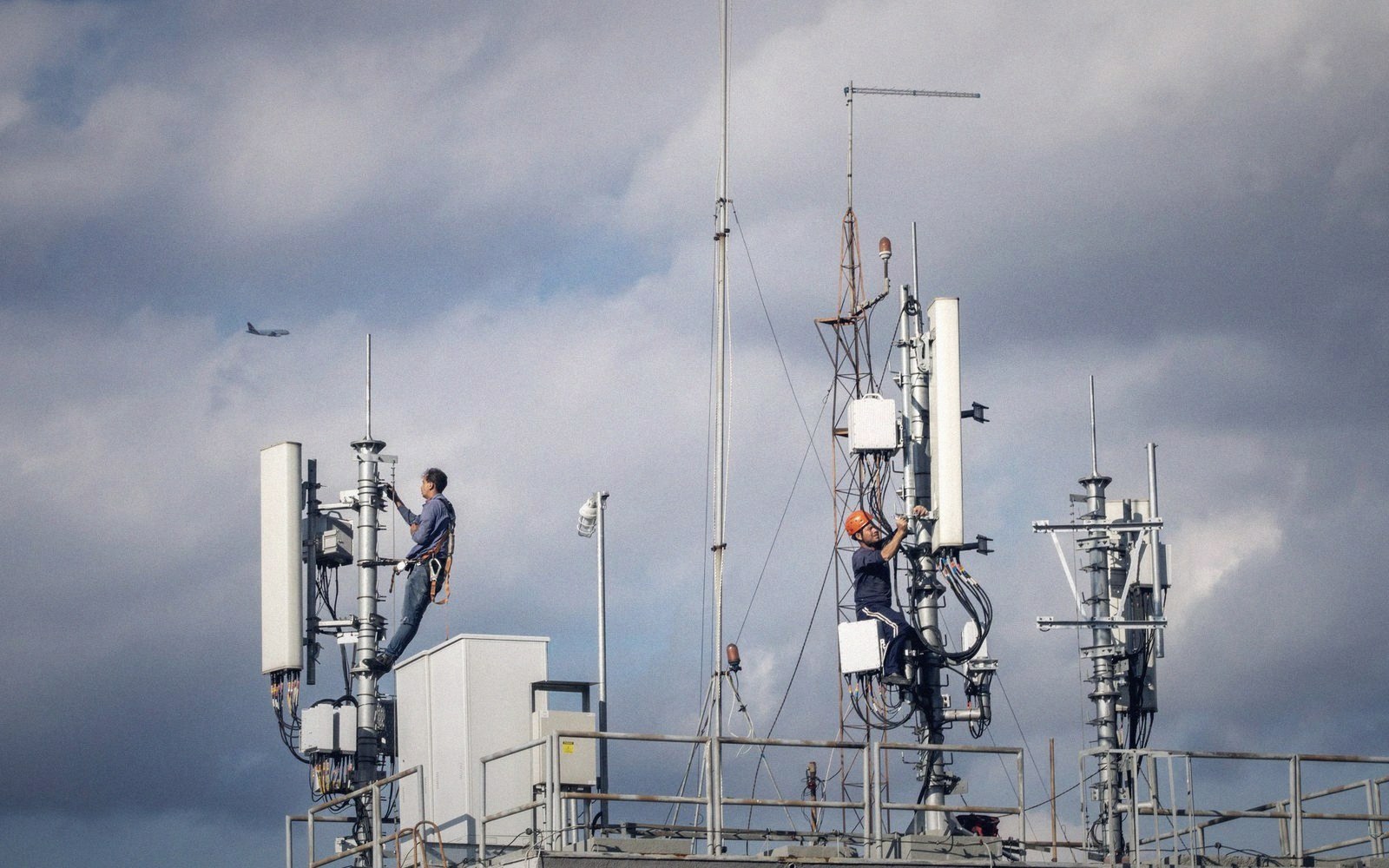
A wayleave is the legal right to install, operate and maintain apparatus on land you do not own. Without one, you are trespassing. No amount of survey work, trenching kit or spliced fibre matters until someone has secured the right to cross — or pass under, or attach to — every parcel of land on the route.
The process sounds administrative. In practice it is the commonest cause of a project running months over programme. A single unresponsive landowner can stop a route dead. A route that crosses three agricultural titles, a railway corridor managed by a national infrastructure body, and a strip of highway maintainable at public expense meets a different consent regime on each — each with its own form, its own fee schedule and its own decision-maker who is under no urgent obligation to reply.
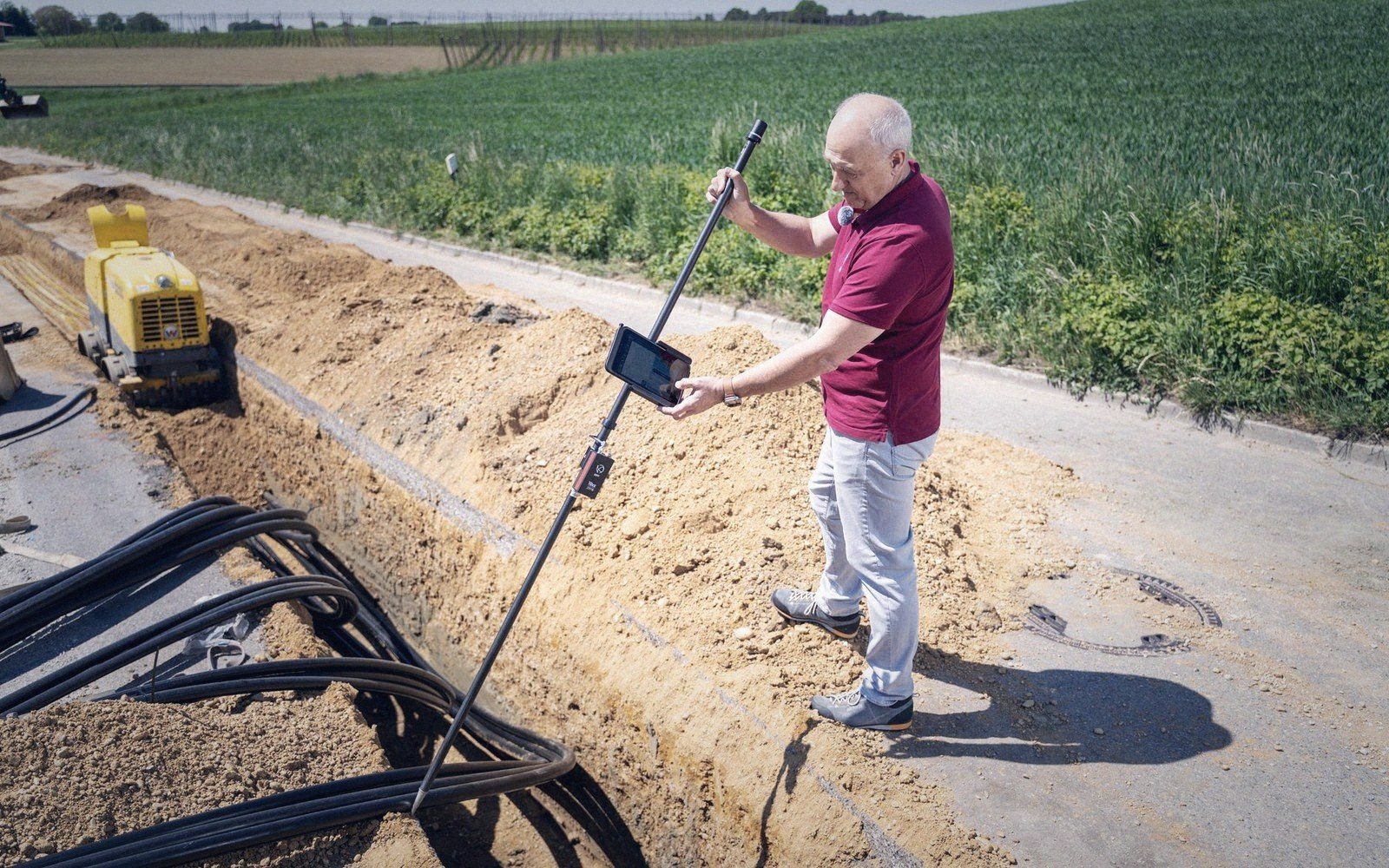
Operators in most jurisdictions can apply for a statutory right — a form of compulsory wayleave or easement — where a landowner refuses without good reason, but the process is slow, contested and rarely worth attempting on anything other than a long-haul or strategically critical route. For a residential access network, the practical answer is to route around the problem, which is exactly why why a street gets one and not another is so often a question about land titles rather than technology.
Consenting work should start before design is finalised, not after. Routes should be drawn with land registry data open alongside them. Every title boundary that the route crosses is a risk item, and a contingency alignment — longer, costlier — should exist for any title whose owner cannot be quickly identified or reached.
The drop into private property carries its own smaller version of the same problem: the occupier can consent to a temporary wayleave, but the freeholder's agreement is needed for anything permanent. Crossing the boundary from public highway to private curtilage is where that distinction bites hardest.
Speed here comes from early legal legwork, not from faster trenching.
How the process fails
- Unidentified landowner — consent cannot be sought if the title cannot be found
- Non-response — no statutory deadline forces a private landowner to reply
- Split titles — a single route may cross many separate parcels, each needing individual agreement
- Occupier vs. freeholder — a tenant's consent does not bind the building owner

| Unidentified landowner | consent cannot be sought if the title cannot be found |
| Non-response | no statutory deadline forces a private landowner to reply |
| Split titles | a single route may cross many separate parcels, each needing individual agreement |
| Occupier vs. freeholder | a tenant's consent does not bind the building owner |