Why a street gets one and not another
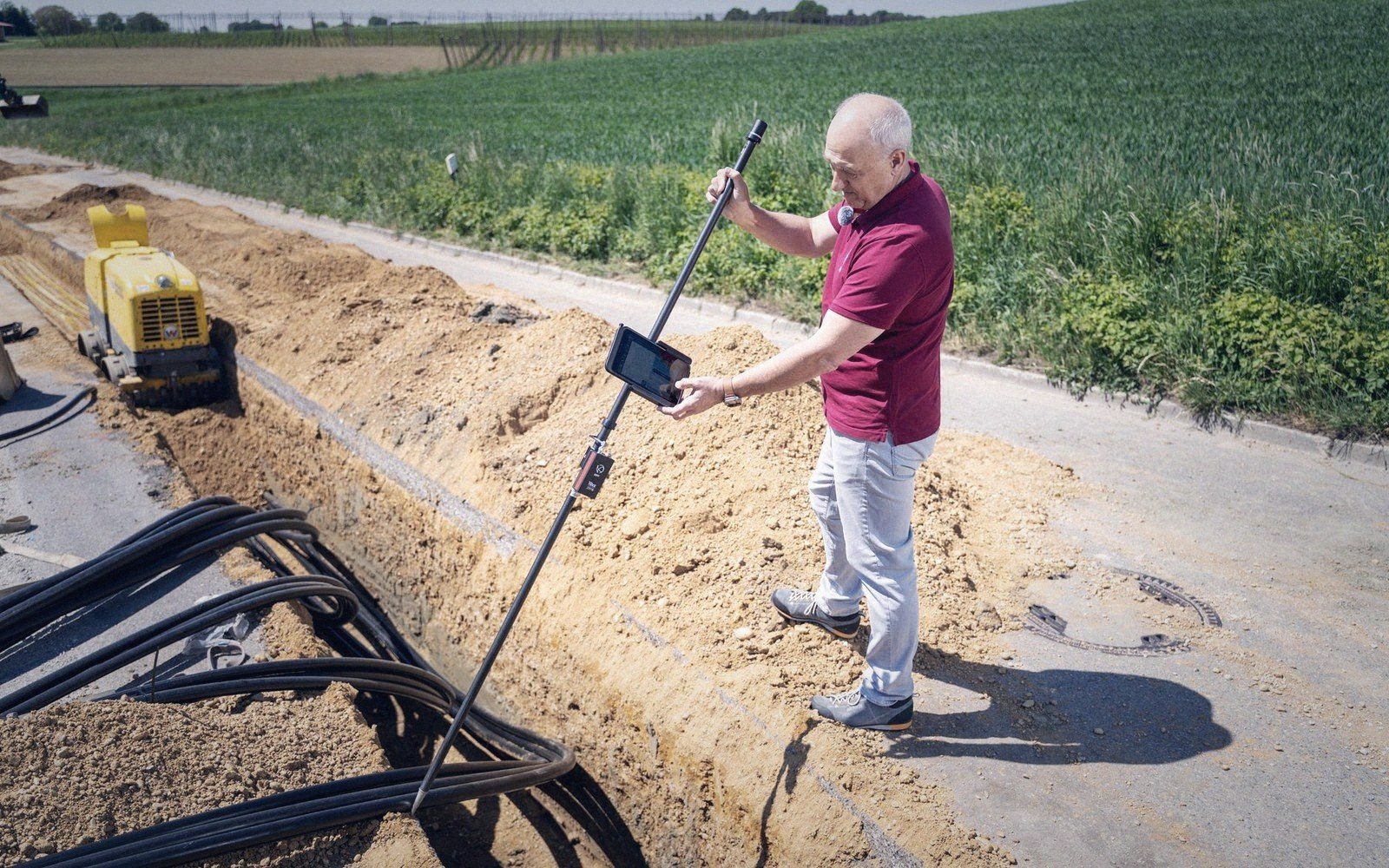
The network reaches some streets and skips others. The reason is almost never the technology.
01The number that drives everything
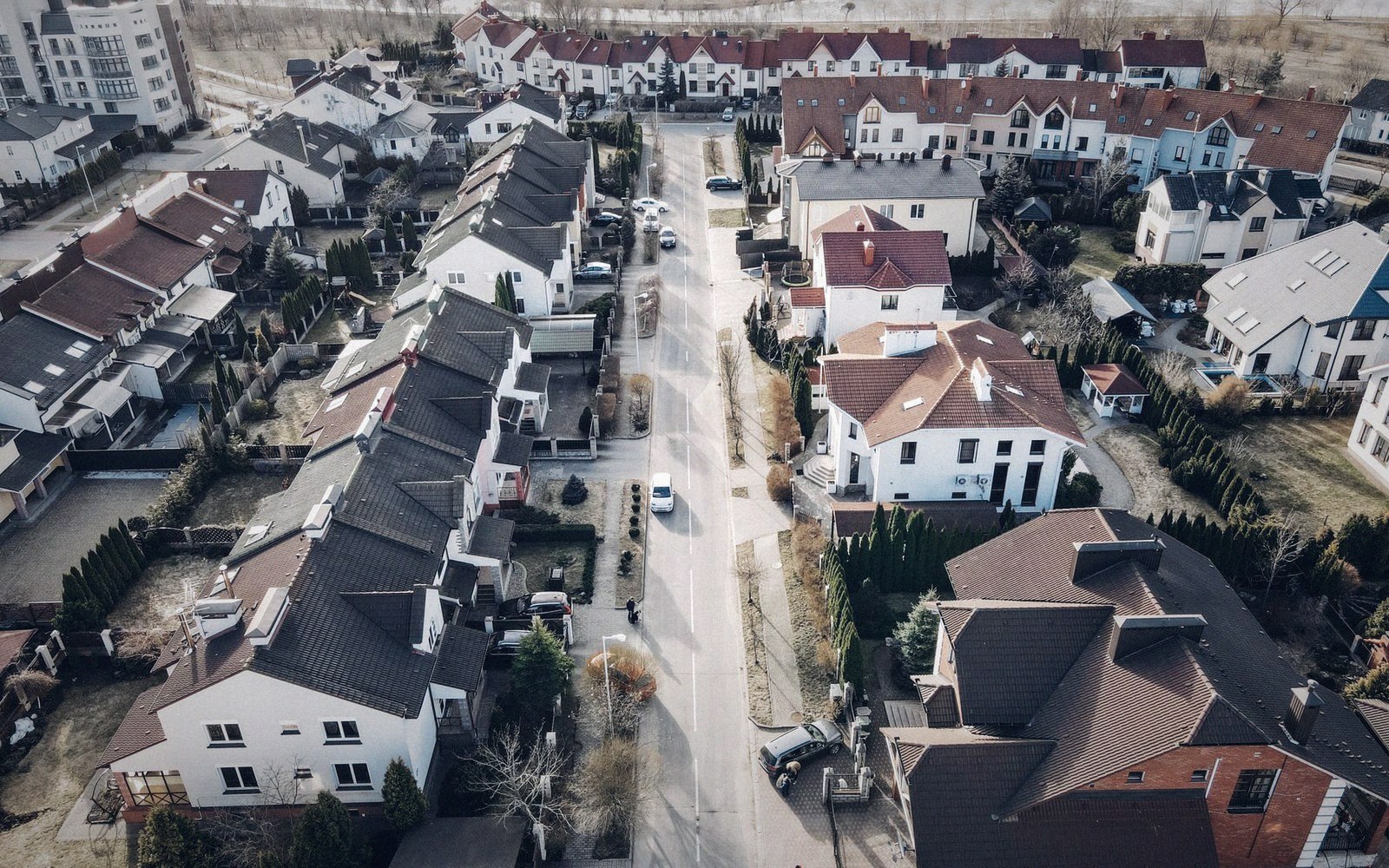
Homes per kilometre — that single figure, more than any other, determines whether a street is served. Build cost per metre of trench or pole route is roughly fixed, so the fewer premises you pass, the higher the cost per connected home. A dense terrace in an inner suburb might yield thirty or forty addresses per hundred metres of duct. A dispersed rural lane might yield three. The economics are not difficult; the politics of explaining them usually are.
Operators score streets against a threshold that combines build cost per passing, expected take-up, and the revenue over a payback period. Below the line, the street waits. That calculation is made before any engineering work begins, and it rarely changes unless a subsidy scheme shifts the numbers or a rival operator appears and forces a decision.
02What the ground already holds
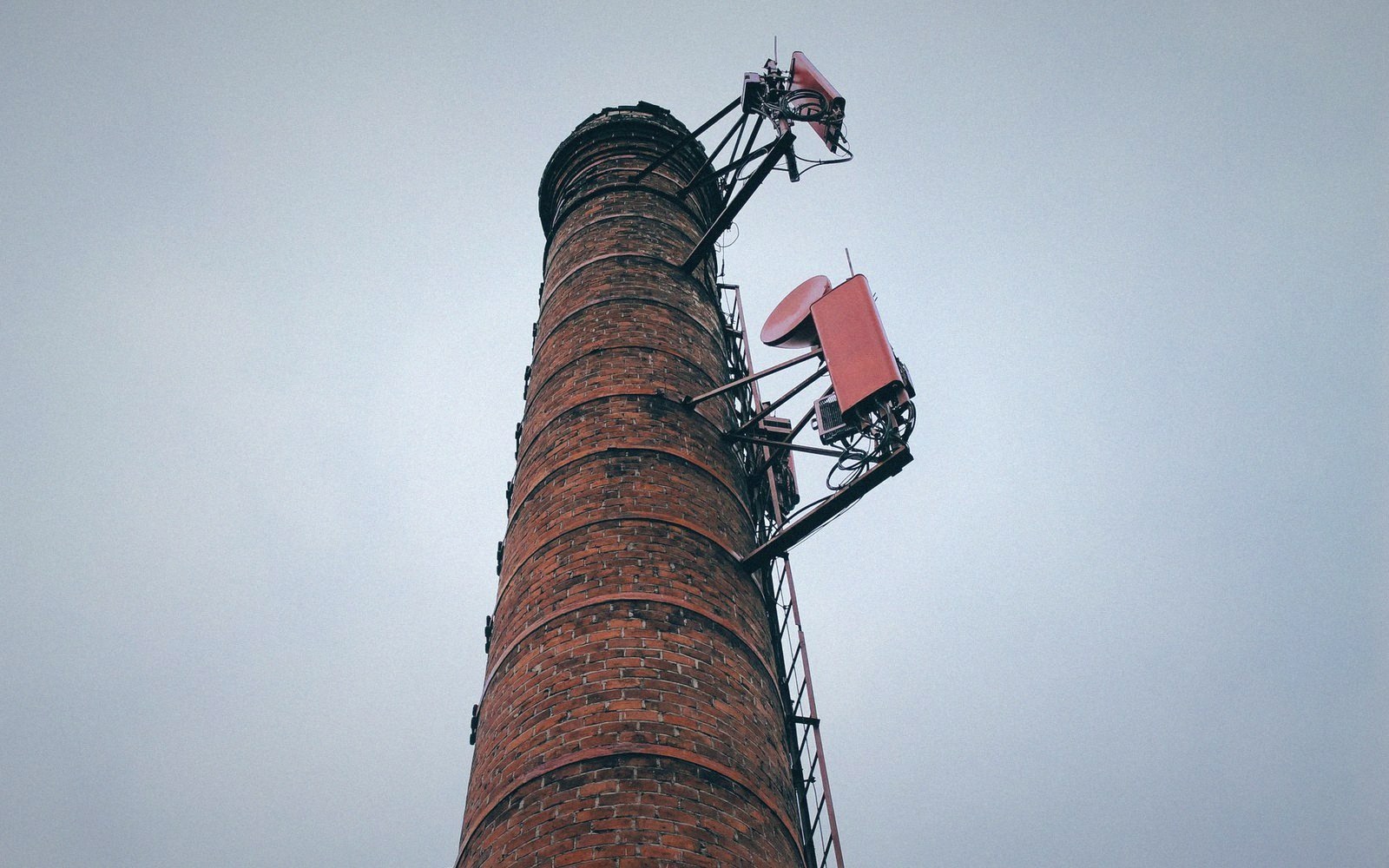
The threshold can jump dramatically when duct already runs beneath the footway. A street with existing empty ducts — whether telecoms, electricity or water-industry surplus — changes the cost calculus entirely. Blowing fibre into an empty existing duct costs a fraction of a new micro-trench, and the difference between a marginal street and a viable one can be precisely that per-metre saving on civil works.
Overhead plant works the same way. A street that already carries telecoms poles can often take an aerial fibre drop in a day; a street with no poles and no duct faces full excavation before a single strand of glass moves. This is why some streets in otherwise under-served areas get fibre first: not because they were prioritised by need, but because the telegraph poles were already there.
Who owns the existing infrastructure matters almost as much as whether it exists. Duct controlled by a single incumbent can be accessed by competitors under regulated open-access terms in most markets, though the process consumes months and sometimes years. Privately owned ducting — under a retail park, a new-build estate, or a housing association scheme — may carry no such obligation, and the wayleave negotiation becomes a separate project in itself.
03Permission, not physics
A street can be technically trivial and commercially strong and still wait years because nobody has agreed that the builder can dig up the footway, attach to the poles, or cross the forecourts. Highway authority permits, pole-attachment agreements, and individual property consents each carry their own timescales and their own failure modes. A single objection from a freeholder whose land the duct must cross can strand a hundred willing subscribers behind it.
What tips the calculus
- Homes per kilometre — the primary viability filter; threshold varies by operator and market
- Existing duct or poles — can halve or eliminate civil cost and pull a street above the build threshold
- Ownership of existing infrastructure — regulated open-access duct vs. privately held plant changes the timeline entirely
- Wayleave position — a single unresolved consent can strand an otherwise viable street
- Distance from active hub — longer feeder runs erode the per-home margin, especially at low density
- Competitive overlap — already-built streets are picked off first; the remainder are structurally harder
Selective overbuilding — where a new entrant picks streets that a first mover has already served and is already earning revenue from — adds a different delay. The streets with the strongest demand have already been built, and the second operator must either out-compete on price and product or go looking for the next tier of viability. That tier is thinner, harder, and requires a different capital argument to unlock.
04Why the gap persists
The streets that get missed are not random. They cluster around low density, uncertain wayleave position, missing or inaccessible duct, and distance from the nearest active exchange or hub site. Fix any one of those factors and the calculus moves; fix none of them and the street sits at the bottom of every operator's list, regardless of how enthusiastically residents petition.
A street can be technically trivial and commercially strong and still wait years because nobody has agreed that the builder can dig up the footway, attach to the poles, or cross the forecourts.
Beyond Fibre · Why a street gets one and not another
Subsidy programmes — national and regional — try to address this by filling the gap between commercial threshold and build cost. They work better in some markets than others, and they consistently discover that the hardest streets are hard for compounding reasons: low density and poor existing plant and contested permissions. A grant covers civil costs but cannot grant a wayleave, and cannot conjure a duct that was never built.
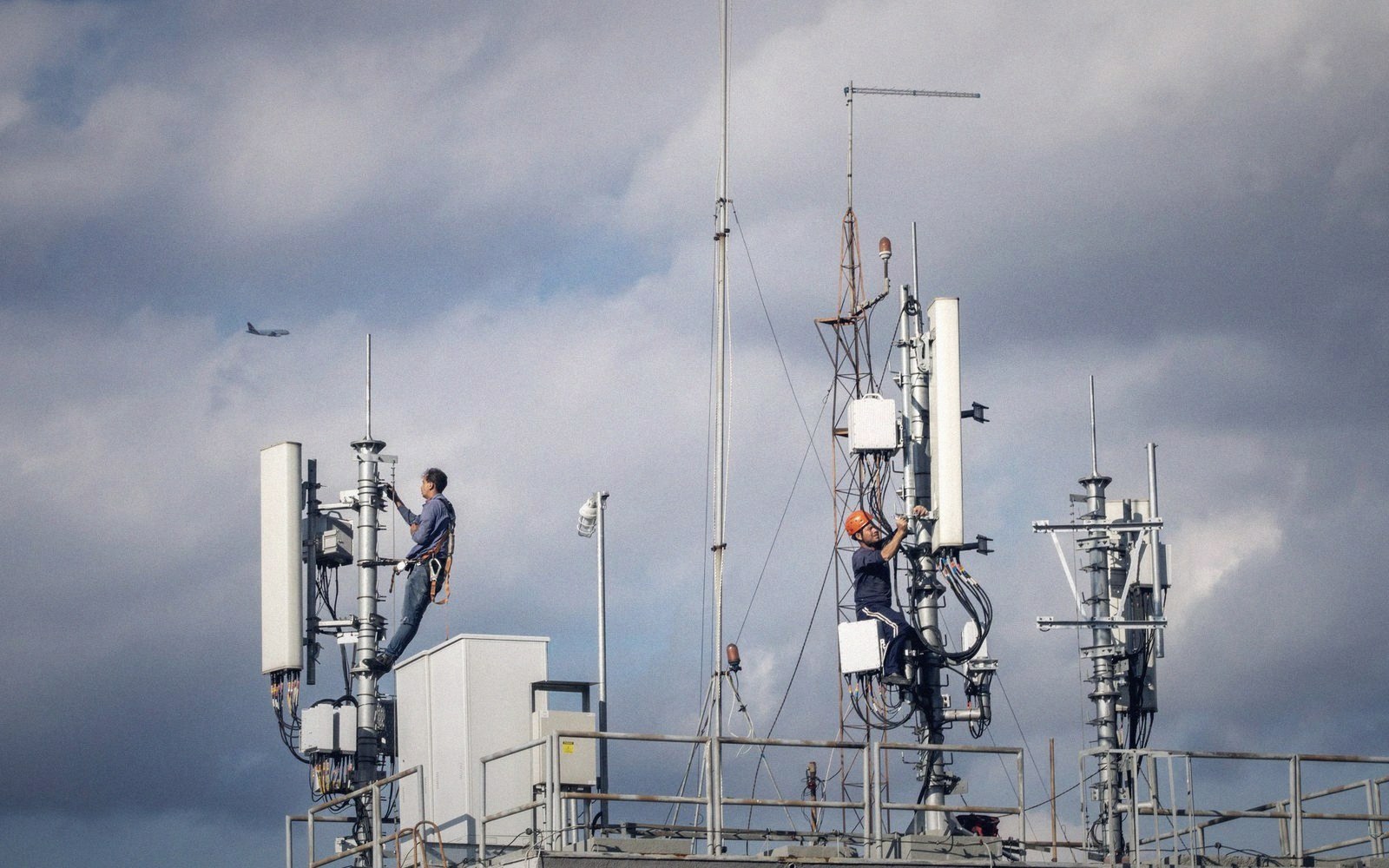
The technology chosen for the street — passive optical, point-to-point, fixed wireless, even low-orbit satellite where there is genuinely no street at all — is almost always the last decision made, fitted to the economics that preceded it rather than driving them.
| — | Grant funding offsets civil cost but cannot compel a wayleave |
| The hardest streets combine multiple problems simultaneously | density, plant, and permission |
| — | Programmes consistently find that residual unserved addresses are hard for compounding, not single, reasons |